Field Guide · Pakistan · Updated 2026
The Pakistan Pest Pressure Index
When each major pest peaks in Karachi, Lahore and Islamabad — and the month you need to act to stay ahead of it.
Short answer. In most of Pakistan pest pressure follows the monsoon. Cockroaches, mosquitoes and flies climb from June and peak July–September. Termites swarm heaviest just after the rains, around August. Rodents move indoors as nights cool, peaking December–January. Bed bugs are the exception — they run year-round because they live indoors. The practical rule: treat four to six weeks before a peak, not during it.
How to read this index — please read before quoting. This is a practitioner guide, not a measured survey. The ratings are the consensus judgement of PestOrbit’s field teams working across Karachi, Lahore and Islamabad, on a relative 0–100 scale where 100 is that pest’s own annual peak. They are not derived from trap counts, statistical sampling or published survey data, and are not comparable between species. They answer “when should I act?”, not “how many insects are there?”. Monsoon timing is general climatological pattern and shifts year to year.
Why Pakistan has such a sharp pest season
Three things drive the curve. First, the monsoon: rain fills every container, drain and roof cavity, and standing water is the limiting resource for mosquitoes and flies. Second, heat plus humidity speeds up insect development — the same species that takes a month to mature in winter can do it in a week in August. Third, construction and storage practice: untreated soil under slabs, and warm humid godowns, decide whether termites and stored product pests ever get a foothold.
That is why the calendar below matters more in Pakistan than in temperate countries. The window between “nothing visible” and “full infestation” can be a matter of weeks.
The twelve-month picture
Every pest is scored against its own annual peak. A 100 for rodents in January and a 100 for mosquitoes in August do not mean equal numbers — each is at its worst point in its own cycle.
Experience-based composite across the pests below. Not a measured count.
Data table
| Item | Index |
|---|---|
| Jan | 28 |
| Feb | 30 |
| Mar | 42 |
| Apr | 55 |
| May | 66 |
| Jun | 78 |
| Jul | 94 |
| Aug | 100 |
| Sep | 93 |
| Oct | 70 |
| Nov | 46 |
| Dec | 32 |
Peak month and action window, by pest
| Pest | Peak | Act by | Why the timing works |
|---|---|---|---|
| Mosquitoes (dengue, malaria) | Aug–Sep | Late June | Aedes completes egg-to-adult in roughly a week in warm weather, so breeding sites must go before the rains fill them. |
| Cockroaches | Jul–Sep | May | Humidity and drain activity rise together. Gel baiting before the peak intercepts the population while it is small. |
| Termites (deemak) | Aug (swarming) | Pre-slab, or Oct survey | Swarming follows the rains. An October survey finds damage while it is still limited. |
| House flies | Jul–Sep | June | Waste and standing water drive breeding; source removal beats spraying adults. |
| Rodents (indoors) | Dec–Jan | October | Rats and mice move inside as nights cool. Autumn proofing stops entry before it starts. |
| Ants | Apr–Jun | March | Colonies forage hardest in the warm dry run-up to the monsoon. |
| Bed bugs | Year-round | On detection | They live indoors, so season barely matters. Travel and second-hand furniture matter more. |
| Stored product pests | Jun–Sep | Pre-intake | Warm humid storage accelerates development in grain and dry goods. |
| Spiders | Sep–Nov | August | They follow their prey. A post-monsoon insect glut is what makes webs suddenly appear everywhere. |
The four that decide most Pakistani jobs
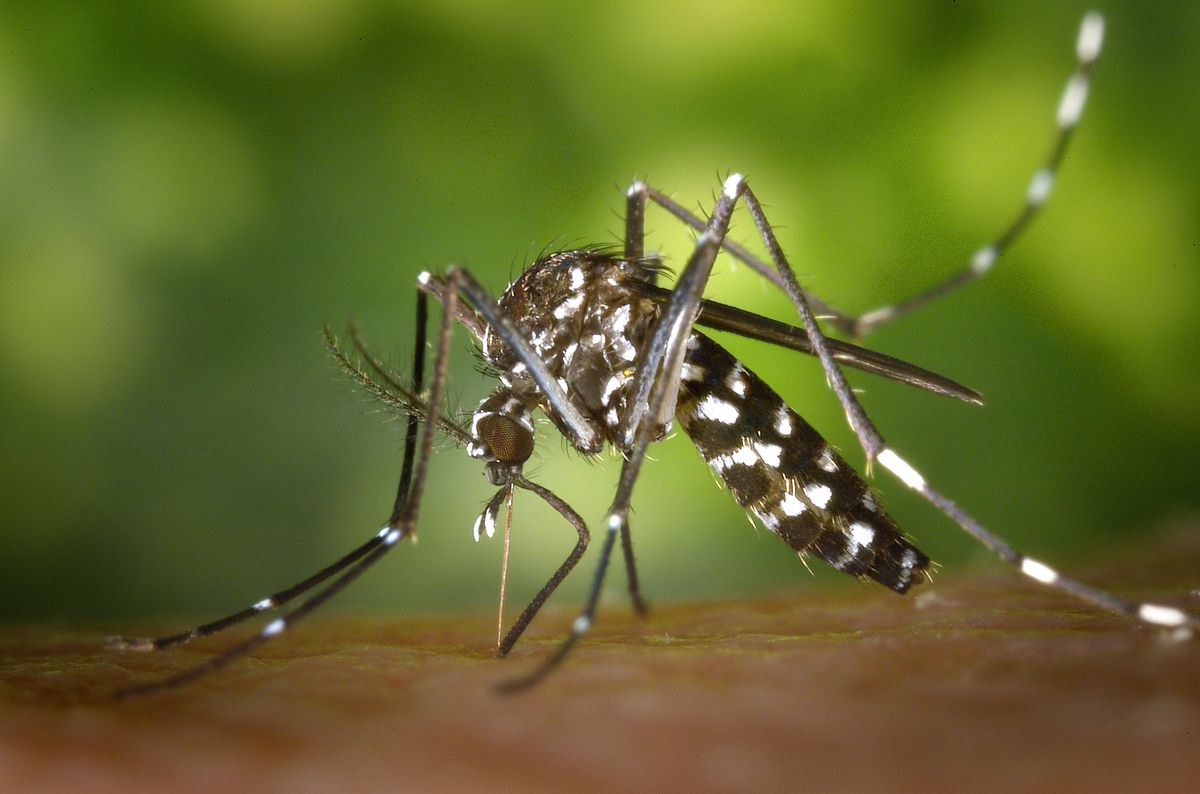
Mosquitoes — the shortest fuse
Dengue is the pest issue that reaches the news in Pakistan every year, and the timing is unusually predictable: cases build through the monsoon and peak after it, because Aedes breeds in clean standing water close to where people live — roof tanks, plant saucers, tyres, construction pits. Because the life cycle is roughly a week in summer, spraying adults in September is chasing a population that regenerates faster than you can fog it. The work that matters is source removal in late June. See our monsoon pest control calendar for the week-by-week version, and Karachi, Lahore and Islamabad coverage for local response times.
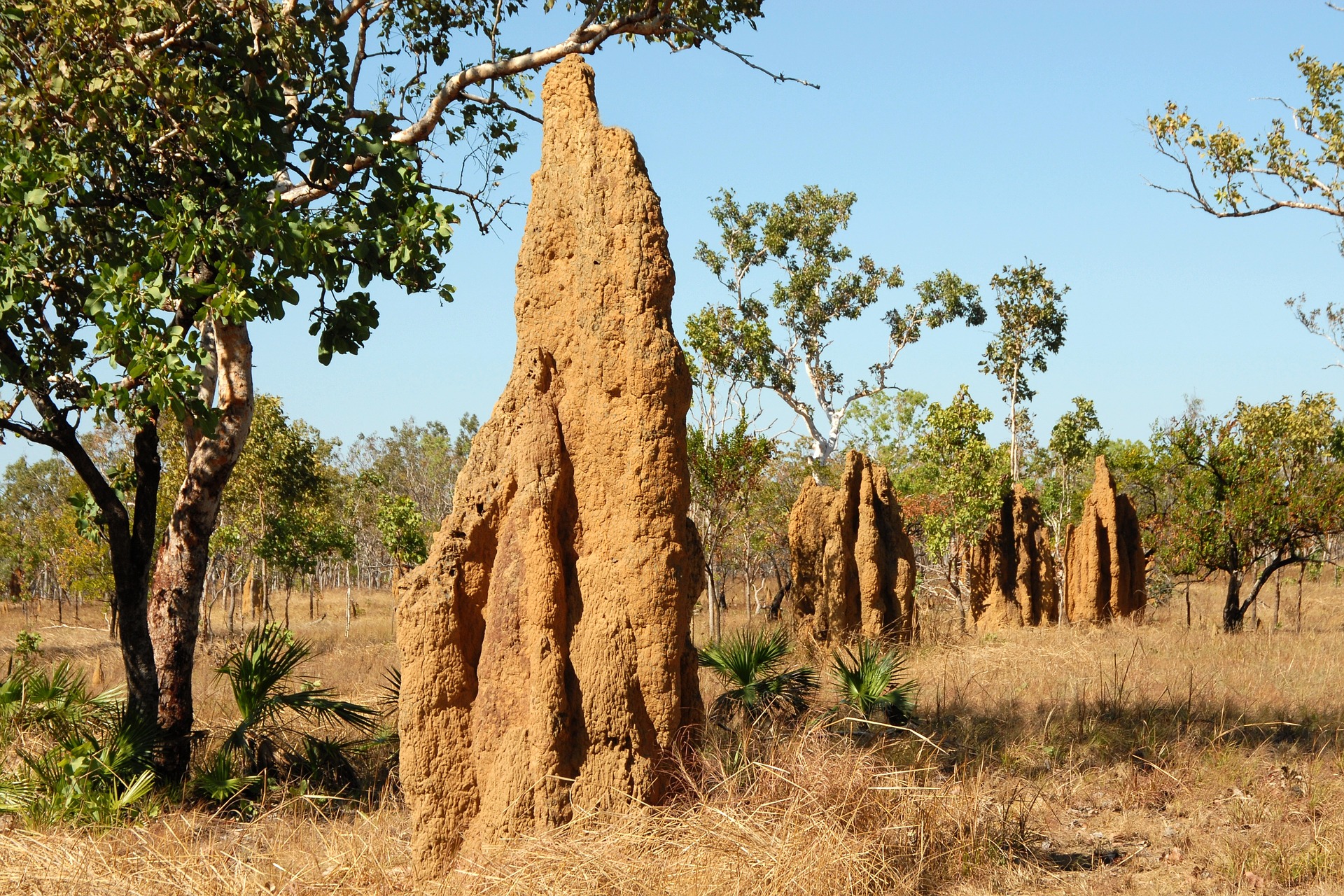
Termites (deemak) — the most expensive to ignore
Termites do not have a “season” in the sense of appearing and disappearing; they work year-round underground. What is seasonal is swarming — the winged reproductives that appear after rain, usually around August, and are how most people discover they have a problem. By then the colony is established.
The decisive intervention happens before the building exists: a pre-construction soil barrier under the slab, priced in Pakistan at PKR 12–18 per square foot. Post-construction treatment for an existing home starts from PKR 20,000 and rises with soil type, property size and how far the damage has gone. Full breakdown in our termite treatment cost guide, and species detail on the deemak control page.
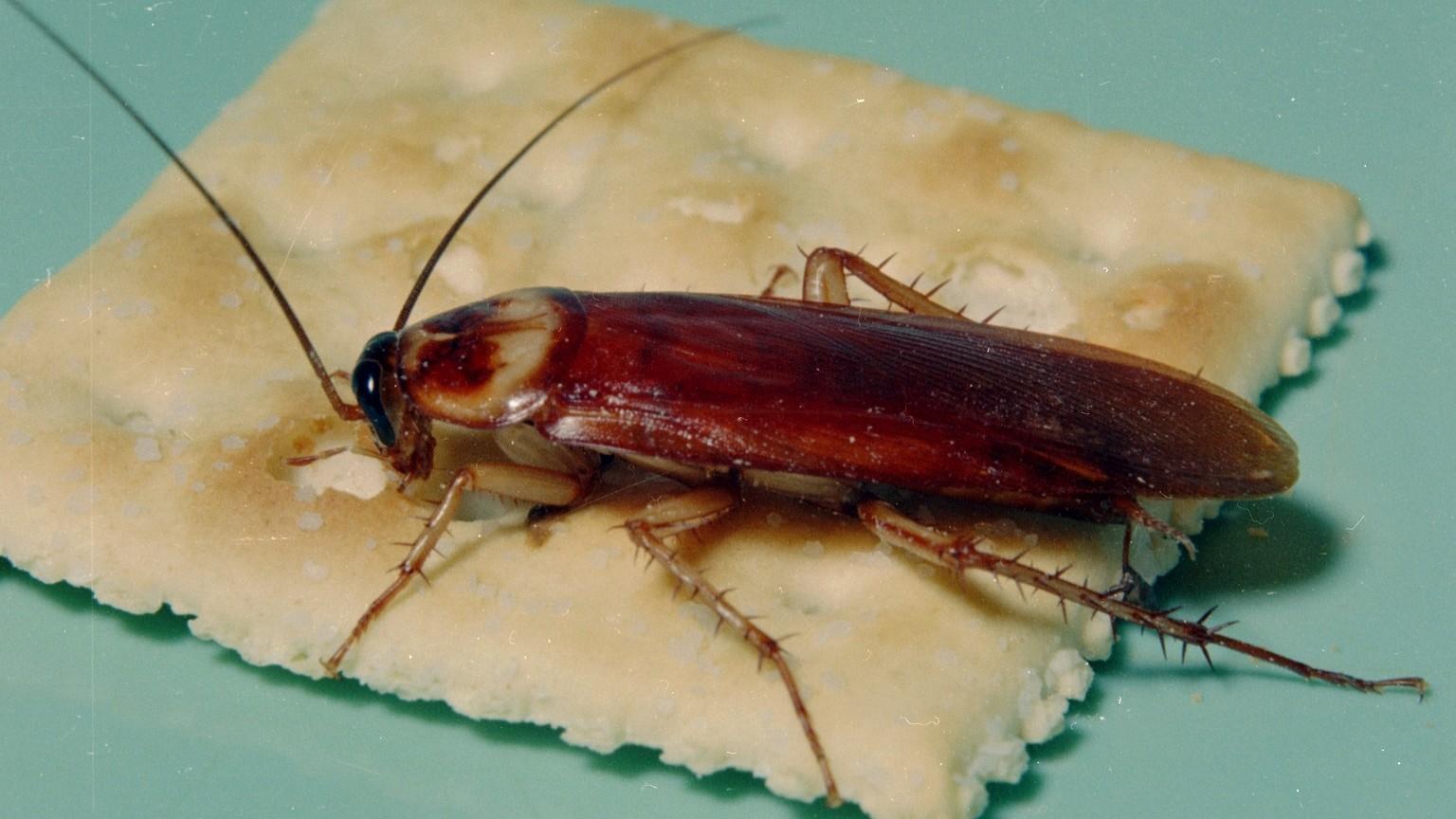
Cockroaches — the year-round Karachi problem
In Lahore and Islamabad cockroach pressure drops noticeably in winter. In Karachi it barely does, because the winter is mild and the drainage network stays warm and wet. That single fact changes the treatment plan: a Karachi kitchen usually needs a maintained baiting programme rather than an annual spray. Practical steps in how to get rid of cockroaches in Karachi. For restaurants and food premises the standard is higher again — see commercial pest control.
Rodents — the winter inversion
Rodents run opposite to everything else. As nights cool from November, rats and mice move indoors for warmth and food, peaking December–January. Proofing in October — sealing gaps, screening drains, fixing door sweeps — is worth more than any amount of baiting in January. For warehouses and food plants this is also an audit issue: see rodent control and industrial pest control.
The three cities behave differently
Same country, three quite different calendars. This is the part most national advice gets wrong.
| City | Climate driver | Dominant pressure | Season length |
|---|---|---|---|
| Karachi | Coastal humidity, mild winter | Cockroaches and mosquitoes; termites in older DHA and Clifton housing stock; stored product pests around port and godown areas | Longest — little true winter break, so pressure never fully resets |
| Lahore | Continental extremes, strong monsoon, winter smog | Termites in older construction; mosquitoes after heavy monsoon; rodents in a genuinely cold winter | Sharp summer peak, real winter lull |
| Islamabad / Rawalpindi | Cooler, greener, higher rainfall | Mosquitoes near vegetation and water features; rodents earlier as autumn arrives sooner | Shorter, later-starting season |
If you run a regulated site
For food processing, pharmaceutical and warehousing operations the calendar is not advisory — it is what auditors expect you to have anticipated. AIB, BRCGS and HACCP assessors look for trend data and preventive scheduling, not a stack of reactive treatment receipts. A documented seasonal plan that shows you treated before the peak is worth more at audit than a clean site on the day.
- What AIB, BRC and HACCP auditors actually ask for
- Ten controls for food processing facilities
- Industrial programmes · corporate · commercial
What to do each quarter
- Jan–Mar — proof and inspect. Rodent pressure peaks indoors. Seal entry points, and book a risk assessment while termite activity is low and evidence is visible.
- Apr–Jun — get ahead of the monsoon. The highest-value window in the year. Cockroach baiting, drain treatment and mosquito breeding-source removal now prevent the July–September peak instead of chasing it.
- Jul–Sep — hold the line. Peak season. Expect monitoring visits, not one-off treatments. Fogging without source reduction buys days, not weeks.
- Oct–Dec — survey and proof. Post-monsoon termite survey, then rodent proofing before the cold drives them in.
Common questions
Is this index based on real measurements?
No, and it does not claim to be. It is the consensus judgement of PestOrbit field teams across Karachi, Lahore and Islamabad, on a relative scale. It is practical timing guidance from people who treat these pests daily — not a scientific survey. If you need measured local data, trap-count monitoring at your own site is the right tool and we can set that up.
Why treat before the peak instead of during it?
Populations grow geometrically. Treating a small population in May is a different job from treating a large one in August. Acting early usually costs less and needs fewer visits.
Does the monsoon date change these figures?
Yes. Monsoon onset shifts year to year and the whole curve moves with it. Treat these months as a normal-year pattern and adjust to the season you are actually in.
Which pest costs the most to ignore?
Termites, by a wide margin, because the damage is structural and progresses unseen. See the termite treatment cost guide.
Does this apply outside the three main cities?
Broadly yes for Punjab and Sindh, with the monsoon arriving later as you move north and west. Multan and southern Punjab track Lahore with a hotter, drier pre-monsoon. Coastal Balochistan behaves more like Karachi.
Can I reuse this index?
Yes. Please cite it as “PestOrbit Pakistan Pest Pressure Index, experience-based, 2026”, link back to this page, and keep the caveat that it reflects practitioner judgement rather than measured data.
Want this timing applied to your own site?
A survey tells you which of these actually apply to your building, and when.