Rodents Control Pakistan | Rattus rattus | Pest Orbit
Pest Orbit Field Intelligence · Pakistan

Rodents Activity Dashboard

☀️ Pre-Monsoon · Pakistan
🏙️
3
Cities Monitored
Karachi · Lahore · ISB
LIVE
📊
Current Season Activity
Based on field data
HIGH
🌡️
—°C
Pakistan Temperature
Peak pest breeding range
⚠️
High
Overall Risk Rating
Pest Orbit classification
HIGH
Monthly Activity Index — Rodents in Pakistan (Pest Orbit Field Data 2019–2024)
Jan
Feb
Mar
Apr
May
Jun
Jul
Aug
Sep
Oct
Nov
Dec
Critical (90–100%)
High (70–89%)
Moderate (45–69%)
Low (20–44%)
Minimal (<20%)
Species Biology

Rodents — Identification & Biology

Roof rats, Norway rats and house mice gnaw electrical wiring causing fires, contaminate food and transmit leptospirosis, salmonella and plague across Pakistani cities.
Lifespan
12–18 months
Up to 3 years in captivity
Litter Size
5–10 pups
6–8 litters per year
Breeding Rate
Very High
One pair → 200+ in 12 months
Gnawing Force
24,000 psi
Can gnaw through concrete
Jump Height
90 cm vertical
Roof rat: excellent climber
Swim Ability
Excellent
Norway rat: enters via drains
Spatial Memory
Exceptional
Maps large complex territories
Burrow Depth
45–90 cm
Norway rat underground burrows
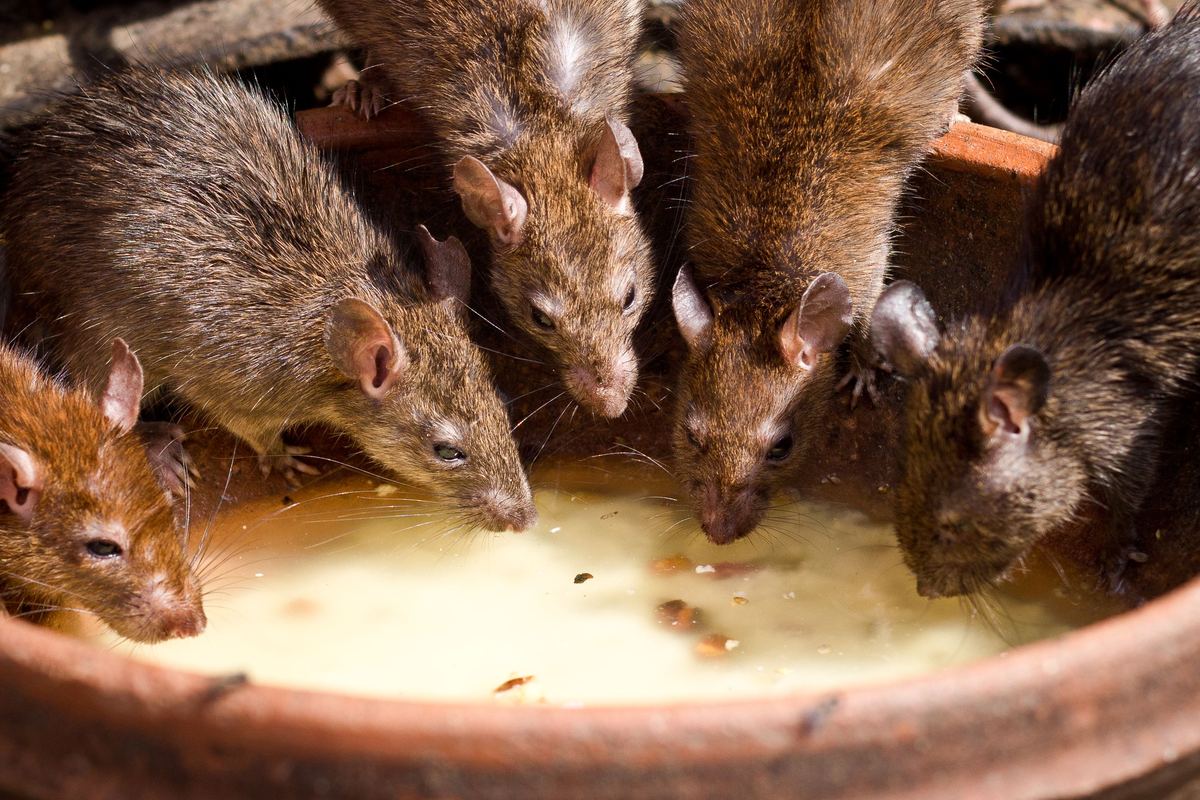
Rodents — roof rat and house mouse Pakistan
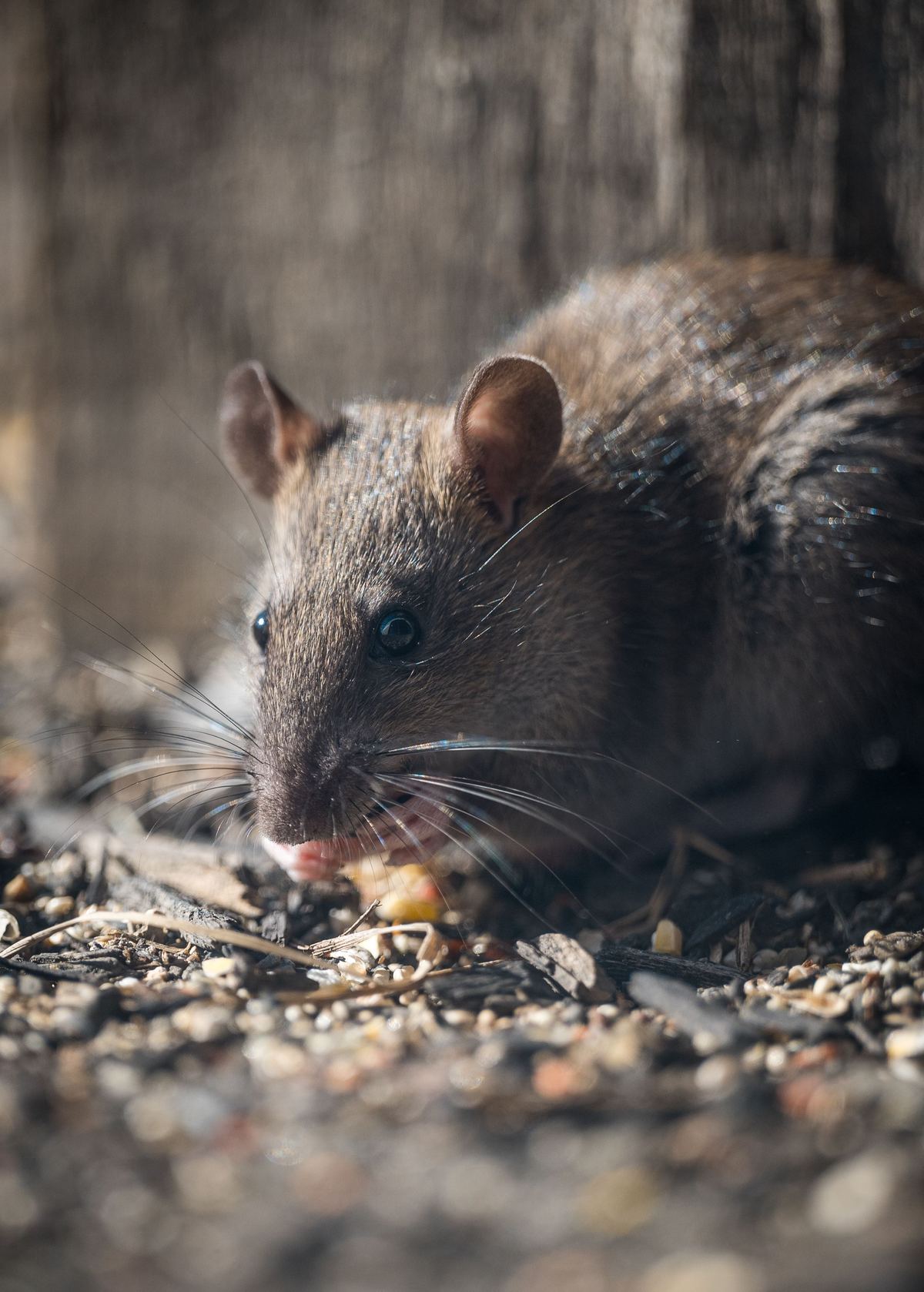
Norway rat close-up — rodent pest Karachi
Pakistan Seasonal Activity
Jan
Feb
Mar
Apr
May
Jun
Jul
Aug
Sep
Oct
Nov
Dec

Relative activity index based on Pest Orbit IPMS field monitoring data — Karachi, Lahore, Islamabad (2019–2024).

Pakistan City Risk Profile
Karachi
Very High

Dense sewer networks, informal settlements, fish markets and open waste create ideal habitat. Roof rats dominate coastal DHA; Norway rats dominate inner city and Lyari drain networks.

Lahore
High

Walled City has severe Norway rat populations. Industrial zones and grain markets attract high densities. Winter drives rats into heated structures across Gulberg and Johar Town.

Islamabad
Medium

Greener urban planning reduces extreme pressures. Older G-sector commercial areas and construction sites experience significant rodent activity.

Risk Assessment

Health, Property & Economic Risks

Understanding the full risk profile of rodents helps property owners and facility managers make informed decisions about treatment priority and programme scope.

🦠
Disease Transmission — Multiple Pathogens
Rodents transmit Leptospirosis (via urine in water), Salmonellosis (food contamination), Hantavirus, Bubonic Plague and Rat-bite Fever. In Karachi, flooded sewers during monsoon cause Leptospirosis outbreaks directly linked to rodent populations.
🔥
Electrical Fire Hazard — Critical
Rodents gnaw electrical wiring to prevent incisor overgrowth. In Pakistan, rodent gnawing is estimated to cause 15–20% of undetermined electrical fires in older commercial buildings. A single gnawed wire can cause a catastrophic fire.
🍽
Food Contamination & Business Loss
Rodents contaminate far more food than they consume — through droppings, urine and hair. A single rodent infestation in a food facility can result in regulatory closure, brand damage and significant financial loss.
🏗
Structural Damage
Rodent gnawing damages pipes, insulation, HVAC ducting, stored goods and building materials. Norwegian rats create extensive underground burrow networks that can undermine foundations and paving.
Pest Orbit IPM Methodology

How Pest Orbit Eliminates Rodents

Our ISO-certified Integrated Pest Management process is designed to eliminate rodents permanently — not mask them temporarily. Every step is documented on your IPMS digital portal.

1
Inspection
Rodent Activity Survey
Assessment of runways, burrows, gnaw marks, droppings, rub marks and entry points. Population estimate using fresh dropping counts. Digital documentation uploaded to IPMS within 24 hours.
Runway InspectionDropping CountsEntry Point Map
2
Exclusion
Proofing & Structural Sealing
Installation of door sweeps, stainless steel mesh, expanding foam and physical barriers sealing all entry points >6mm (mice) or >12mm (rats). Pipe collars and vent covers fitted.
Steel MeshDoor SweepsVent Guards
3
Population Reduction
Integrated Baiting & Trapping
Multi-catch live traps and snap traps at identified runways. Second-generation anticoagulant bait stations (Brodifacoum/Bromadiolone) in tamper-resistant lockable boxes per ISO 14001 environmental standards.
Bait StationsMulti-Catch TrapsSGAR Rodenticide
4
Monitoring
IPMS Digital Tracking
All bait consumption and catch data logged to IPMS. Real-time graphs show rodent pressure trends. Catch threshold triggers proactive re-baiting. Monthly reports for corporate clients.
IPMS DashboardTrend AnalysisThreshold Baiting
Interesting Facts

Fascinating Rodents Facts

Verified by Pest Orbit's Ph.D. entomology team — the science behind one of Pakistan's most common pests.

🧠
Rats are highly intelligent — they demonstrate empathy, laugh when tickled (ultrasonic frequencies), and can be trained to recognise human faces with remarkable accuracy.
🦷
Rodent incisors grow 11–14 cm per year and never stop growing. Gnawing is biological necessity, not destructive behaviour — to prevent painful dental overgrowth.
In Karachi, rodent gnawing causes an estimated 15–20% of electrical fires in older commercial buildings. A rat can chew through aluminium, lead and soft concrete.
🐀
Norway rat populations in Karachi's downtown drainage network are estimated at 3–5 million — outnumbering the human population of many Pakistani cities.
Frequently Asked Questions

Rodents Questions — Pakistan

Answers from Pest Orbit's Ph.D. entomologists covering the most common questions from Pakistani homeowners and facility managers.

Rat droppings are 12–20mm long (capsule-shaped); mouse droppings are 3–6mm (rice-grain shaped). Rats leave visible grease rub marks on walls; mice leave smaller smear trails. Rats create burrows and gnaw larger holes (>12mm); mice leave small holes (>6mm). Rat sounds are heavier and less frequent; mouse sounds are lighter and rapid.

Pakistani rats carry Leptospirosis (severe kidney/liver disease via urine-contaminated water), Salmonellosis (food poisoning), Hantavirus (respiratory disease), Plague (rare), Rat-bite Fever and Toxoplasmosis. Monsoon flooding significantly increases Leptospirosis risk as rodent urine enters floodwater.

A single pair of Norway rats can theoretically produce 200+ descendants in 12 months under ideal conditions. This is why early intervention is critical — a small rodent problem becomes a severe infestation within one breeding season.

Scientific evidence for ultrasonic repellers is weak and inconsistent. Rats rapidly habituate to ultrasonic frequencies. Pest Orbit recommends integrated methods — exclusion, trapping and baiting — which have strong evidence bases and produce reliably measurable results.

Pakistan's ISO-Certified Rodents Specialists

Ph.D. entomologists · internationally approved chemicals · 360° warranty · Digital IPMS monitoring · Karachi · Lahore · Islamabad