Mosquitoes Control Pakistan | Aedes aegypti | Pest Orbit
Pest Orbit Field Intelligence · Pakistan

Mosquitoes Activity Dashboard

☀️ Pre-Monsoon · Pakistan
🏙️
3
Cities Monitored
Karachi · Lahore · ISB
LIVE
📊
Current Season Activity
Based on field data
HIGH
🌡️
—°C
Pakistan Temperature
Peak pest breeding range
⚠️
Critical
Overall Risk Rating
Pest Orbit classification
HIGH
Monthly Activity Index — Mosquitoes in Pakistan (Pest Orbit Field Data 2019–2024)
Jan
Feb
Mar
Apr
May
Jun
Jul
Aug
Sep
Oct
Nov
Dec
Critical (90–100%)
High (70–89%)
Moderate (45–69%)
Low (20–44%)
Minimal (<20%)
Species Biology

Mosquitoes — Identification & Biology

Aedes aegypti (dengue), Anopheles stephensi (malaria) and Culex quinquefasciatus (filariasis) collectively threaten millions of Pakistanis during monsoon season.
Dangerous Species
3 (Aedes·Anopheles·Culex)
Each transmits different diseases
Aedes aegypti
Dengue · Chikungunya · Zika
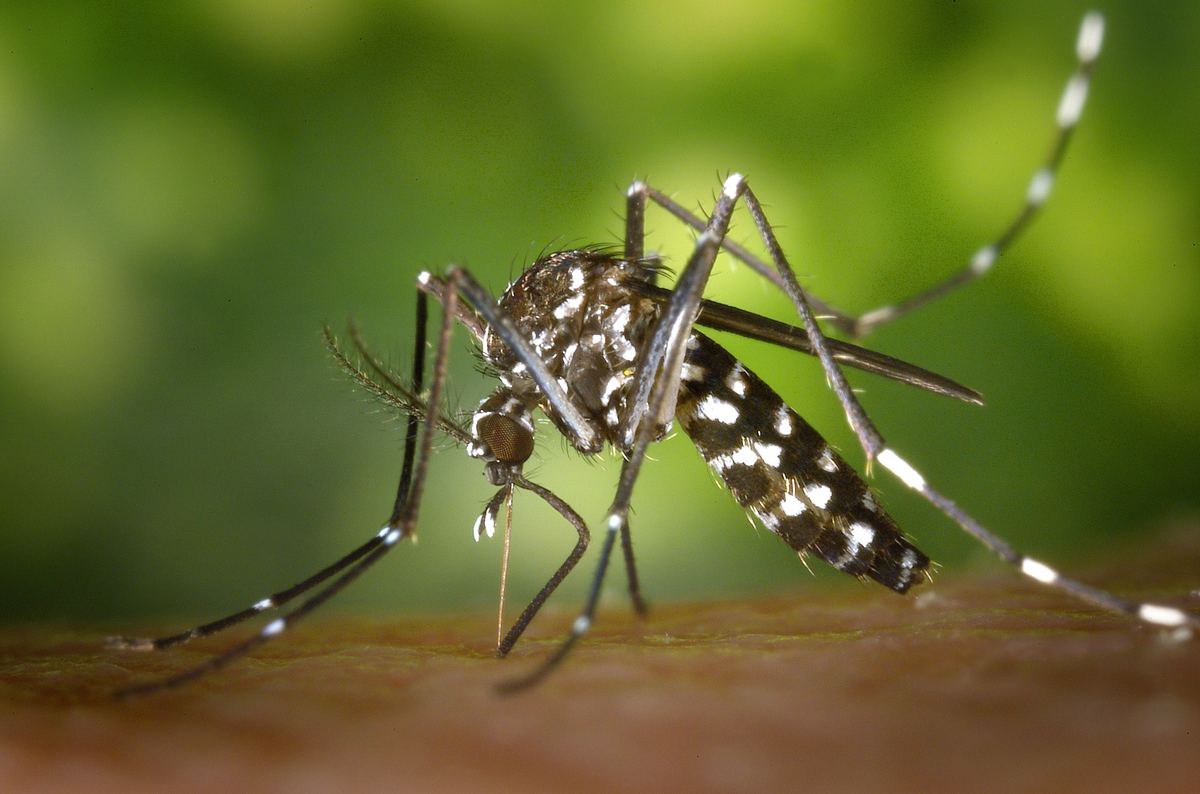
Black & white striped · Daytime biter
Anopheles stephensi
Malaria
Brown · Dawn/dusk biter
Culex quinquefasciatus
Filariasis · West Nile
Brown · Night biter
Breeding Habitat
Standing water
Aedes: as little as 1 teaspoon
Egg-to-Adult
7–14 days
Faster in Pakistan heat
Flight Range
50m–3km
Aedes 50–100m · Culex 3km
Virus Amplification
Doubles per 1°C above 25°C
KHI summer 35–42°C = critical
Aedes aegypti dengue mosquito close-up — Pakistan
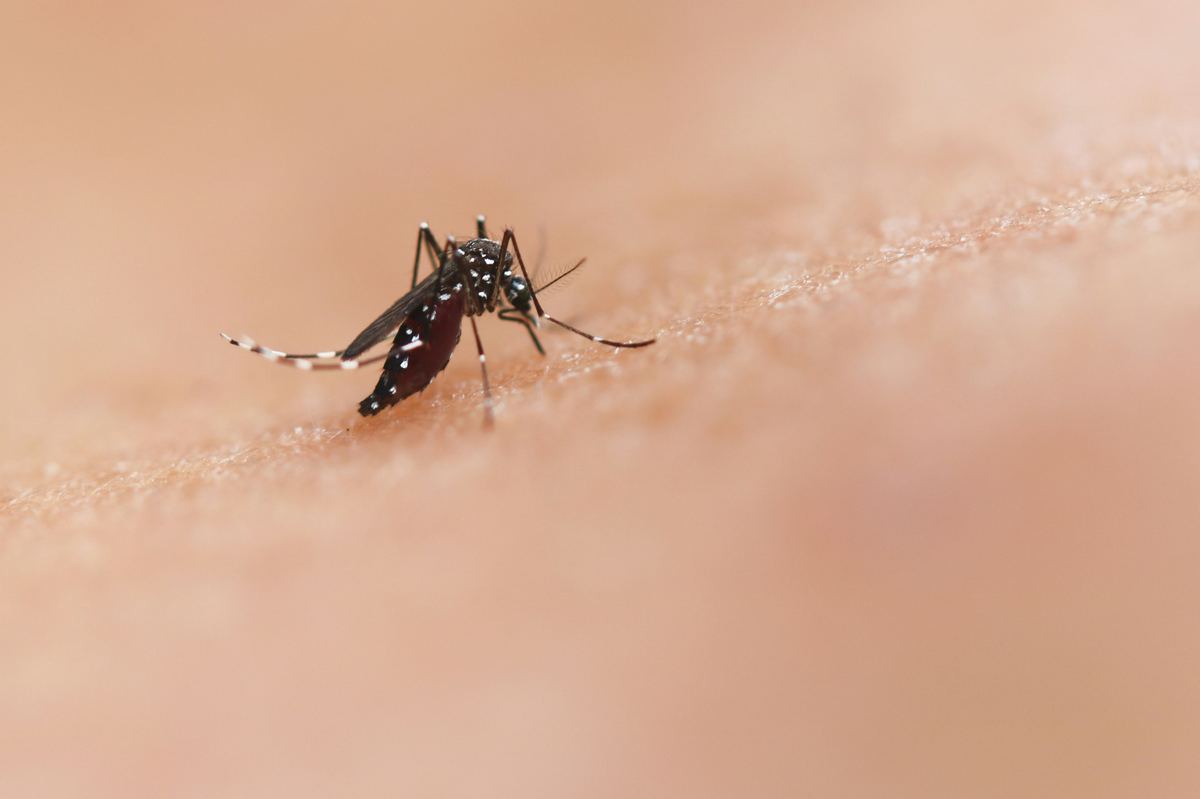
Mosquito macro — dengue and malaria vector Pakistan
Pakistan Seasonal Activity
Jan
Feb
Mar
Apr
May
Jun
Jul
Aug
Sep
Oct
Nov
Dec

Relative activity index based on Pest Orbit IPMS field monitoring data — Karachi, Lahore, Islamabad (2019–2024).

Pakistan City Risk Profile
Karachi
Very High

Year-round Aedes activity due to mild winters. Monsoon (Jul–Sep) creates mass breeding. Urban flooding in informal settlements creates critical dengue hotspots.

Lahore
Very High

Annual dengue outbreaks consistently reported. Punjab Government dengue surveillance data shows Lahore as one of Pakistan's highest-burden cities consistently since 2011.

Islamabad
Medium

Greener environment with less urban flooding moderates pressure. However, diplomatic enclaves, F-sector and older residential areas report dengue cases annually.

Risk Assessment

Health, Property & Economic Risks

Understanding the full risk profile of mosquitoes helps property owners and facility managers make informed decisions about treatment priority and programme scope.

🤒
Dengue Fever — National Emergency
Pakistan reports 50,000–100,000+ dengue cases annually (significant underreporting suspected). Punjab and KPK experience severe annual outbreaks. DHF causes fatal bleeding disorders. Karachi's warm winters mean Aedes remains active year-round.
🦠
Malaria — Endemic Threat
Pakistan bears 4% of global malaria burden. Anopheles stephensi is actively spreading into Karachi, Lahore and Islamabad. Plasmodium falciparum (malignant malaria) causes fatal cases, particularly in Balochistan and FATA.
🦵
Lymphatic Filariasis
Culex quinquefasciatus transmits Wuchereria bancrofti causing lymphatic filariasis. Karachi has active transmission zones. Long-term infection causes permanent limb disfigurement (elephantiasis).
💸
Economic & Productivity Impact
Dengue season costs Pakistan's economy billions annually in hospitalisation, lost productivity and vector control programmes. Corporate campuses and industrial facilities face significant workforce absence during peak months.
Pest Orbit IPM Methodology

How Pest Orbit Eliminates Mosquitoes

Our ISO-certified Integrated Pest Management process is designed to eliminate mosquitoes permanently — not mask them temporarily. Every step is documented on your IPMS digital portal.

1
Source Reduction
Breeding Site Identification & Elimination
Survey of all potential breeding sites: water tanks, flower pots, cooler trays, roof drains, construction water. Larval indices (House Index, Container Index, Breteau Index) measured and documented.
Larval SurveyBreteau IndexWater Audit
2
Larviciding
internationally approved Larval Treatment
Bacillus thuringiensis israelensis (Bti — biological) or approved larvicide applied to breeding sites that cannot be eliminated. Safe for water tanks and wildlife. Kills larvae before adult emergence.
Bti Biologicalapproved larvicideinternationally approved
3
Adulticiding
ULV Cold Fogging & Residual Treatment
ULV cold fogging with pyrethroid insecticides (approved insecticide, Lambda-cyhalothrin) at dusk. Residual sprays on resting surfaces. Mosquito misting systems available for high-end residential estates.
ULV FoggingResidual SprayMisting Systems
4
Monitoring
Trap Network & IPMS Reporting
Adult monitoring using BG-Sentinel traps, CDC light traps and ovitraps. All trap data logged to IPMS. Population trends guide re-treatment decisions. Weekly reports during monsoon season.
BG-Sentinel TrapsOvitrap NetworkWeekly Reports
Interesting Facts

Fascinating Mosquitoes Facts

Verified by Pest Orbit's Ph.D. entomology team — the science behind one of Pakistan's most common pests.

🌧️
During Pakistan's monsoon, Aedes aegypti populations can increase 40-fold within 2 weeks of heavy rainfall. Every blocked drain and uncovered container becomes a dengue breeding site.
🌡️
The dengue virus replication rate inside Aedes aegypti doubles for every 1°C above 25°C. Karachi's summer temperatures (35–42°C) dramatically accelerate the transmission cycle.
💉
Pakistan has no mass-deployable dengue vaccine. The only effective protection remains vector control — making professional mosquito management a genuine public health intervention.
📍
Karachi's informal settlements show dengue vector indices 8–12× higher than formal housing societies due to uncovered water storage, open drains and limited waste collection.
Frequently Asked Questions

Mosquitoes Questions — Pakistan

Answers from Pest Orbit's Ph.D. entomologists covering the most common questions from Pakistani homeowners and facility managers.

Eliminate all standing water sources (flower pot trays, cooler water, roof drains, uncovered tanks) weekly. Use mosquito nets and repellents. Book Pest Orbit's pre-monsoon mosquito control programme before July. Wear long sleeves during dawn and dusk hours.

Aedes aegypti (dengue/Zika) is black and white striped, bites during the day, and breeds in small clean water containers. Anopheles (malaria) is brown, bites at dusk/dawn, and breeds in larger water bodies. Culex (filariasis) is brown and bites at night, breeding in stagnant sewage-contaminated water.

Monsoon season (July–September) is peak mosquito season across all of Pakistan. Karachi sees elevated activity from April through November due to year-round warmth. Lahore and Islamabad have more defined seasonal peaks during and after monsoon.

Yes. Pest Orbit uses only internationally approved insecticides at approved concentrations, applied by certified technicians. We provide specific re-entry times and safety datasheets for every treatment. Biological larvicide (Bti) is completely safe for humans, animals and aquatic ecosystems.

Pakistan's ISO-Certified Mosquitoes Specialists

Ph.D. entomologists · internationally approved chemicals · 360° warranty · Digital IPMS monitoring · Karachi · Lahore · Islamabad