Operations Checklist · Pakistan · 2026
Restaurant Pest Control Checklist for Pakistan
The daily, weekly and monthly checks that keep a kitchen clear — and the evidence Punjab Food Authority, Sindh Food Authority and your HACCP auditor will ask to see.
Short answer. Restaurants in Pakistan almost never fail inspection because of a treatment problem. They fail because of drains, grease traps, bin areas and equipment voids — the four places cockroaches breed and nobody cleans. A monthly spray will not fix any of them. Run the daily and weekly checks below, keep a written sighting log, and hold your pest contractor’s device map and service records where an inspector can see them.
Why restaurants actually fail
Provincial food authorities — the Punjab Food Authority (PFA), Sindh Food Authority (SFA), the Islamabad and KP authorities — have become considerably more active, and pest evidence is one of the fastest routes to a fine or a seal notice. The findings repeat:
- Cockroach evidence in and around floor drains and grease traps
- Droppings behind or beneath fixed equipment that has not been pulled out in months
- Open bin areas against the back wall, uncovered, feeding a rodent population
- No record of pest control at all, or an invoice with no device map or findings
- Staff who cannot say what to do if they see a pest
Note what is not on that list: the absence of a recent spray. Inspectors look for evidence and systems, not chemicals.
The checklist
Every shift
| Check | Why it matters |
|---|---|
| Bins emptied, lids closed, bin area swept | Overnight food waste is the single biggest rodent and fly attractant |
| Floor drains flushed and screened | Drains are the primary cockroach and drain-fly breeding site in Pakistani kitchens |
| Spillages cleared before close, including under equipment | Grease and crumbs under a fryer feed a population all night |
| Food covered or in sealed containers | Open containers are both an attractant and an inspection finding |
| Back door kept closed; air curtain running | A propped kitchen door during the monsoon is an open invitation |
| Sightings logged | Even one cockroach. The log is what proves the system works |
Every week
- Pull out and clean behind the fridge, fryer, oven and prep tables — on a rota so everything is done monthly.
- Clean the grease trap. A neglected trap is a cockroach nursery and is checked at inspection.
- Check dry store for chewed packaging, webbing in corners and dust trails on shelves.
- Inspect delivery area and check incoming boxes before they enter the kitchen.
- Empty and check the insect light trap tray — count what is in it, do not just tip it out.
Every month
- Deep clean drains and gullies, including under floor grating.
- Check proofing: door sweeps, gaps around pipework, damaged mesh on vents.
- Review the sighting log with your pest contractor and agree actions.
- Confirm the device map still matches what is physically installed.
Every quarter and annually
- Quarterly: deep clean ceiling voids, extract canopies and ducting.
- Annually: replace insect light trap tubes before the summer peak, and review the whole programme with your contractor.
The four pests that close kitchens
| Pest | Where it really lives | What works |
|---|---|---|
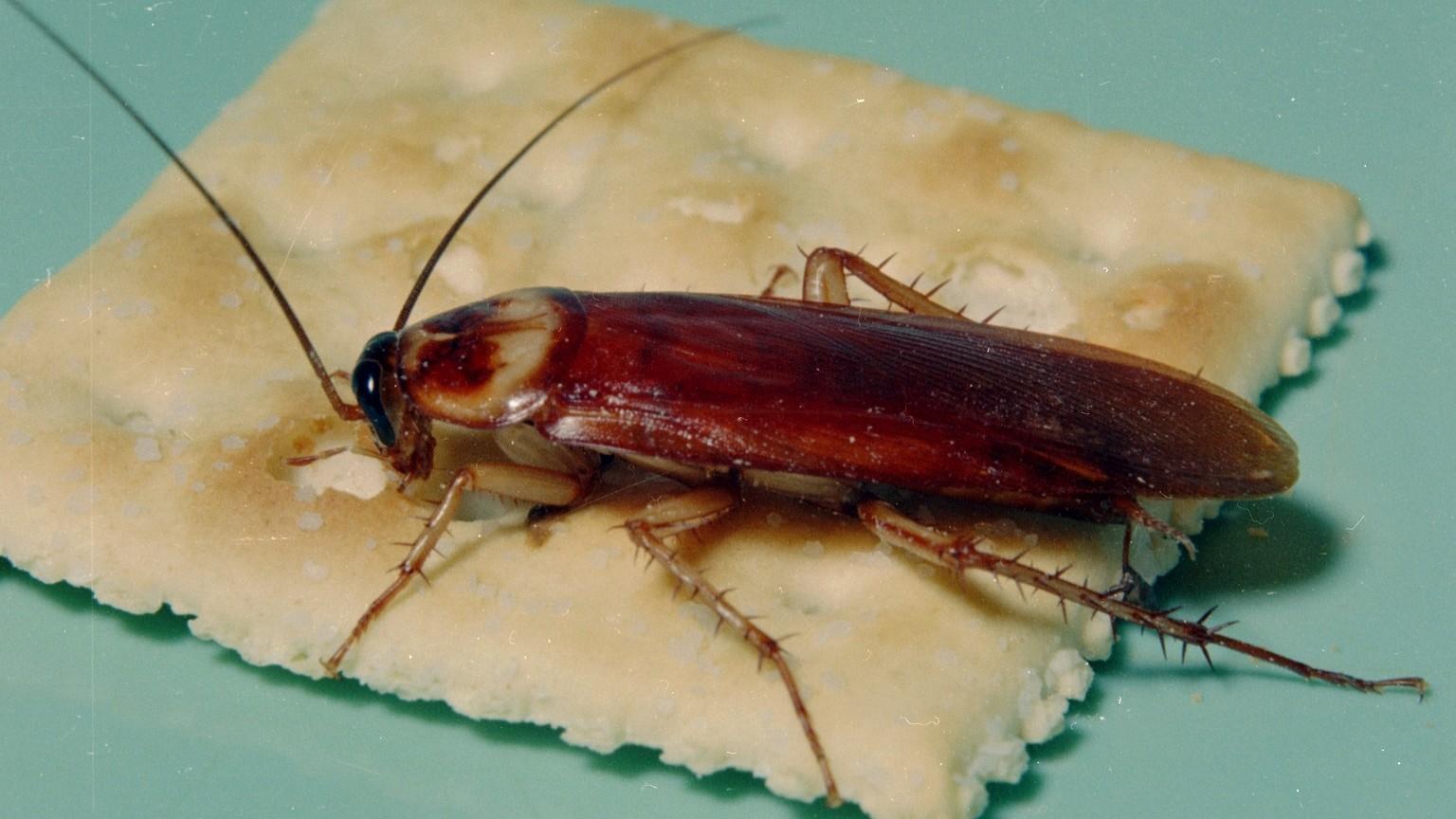
| Cockroaches | Floor drains, grease traps, motor housings, equipment voids, cardboard | Gel baiting plus drain and void cleaning. Remove cardboard storage entirely |
| Rodents | Bin areas, false ceilings, wall voids, behind fixed equipment | Proofing first, then non-toxic monitoring inside. Toxic bait outside only |
| Flies | Bins, drains, spilled organic matter, delivery area | Source removal, insect light traps away from doors, air curtain at the kitchen entrance |
| Fruit & drain flies | Drain biofilm, beer and soft-drink lines, fruit crates, mop buckets | Enzymatic drain treatment. Spraying adults achieves nothing |
The three places nobody cleans
- The grease trap. Warm, wet, organic, undisturbed — ideal cockroach habitat. If your kitchen has a recurring cockroach problem and the trap is on a quarterly clean, that is your answer.
- Equipment voids. The 40 mm gap between the fryer and the wall accumulates grease for years. Pulling equipment out on a weekly rota is the single highest-impact change most kitchens can make.
- Cardboard. Corrugated card is cockroach harbourage and arrives with every delivery. Break down and remove it the same day; never store stock in it.
Seasonal pattern in Pakistan
Kitchen pest pressure follows the same monsoon curve as everything else, with cockroach and fly activity climbing from June and peaking July–September. Practical consequence: intensify drain and grease trap work in May, before the peak, rather than reacting in August. Full calendar in the Pakistan Pest Pressure Index.
City notes: Karachi kitchens get little winter relief because the mild coastal winter keeps drain activity going year-round — a maintained baiting programme beats seasonal treatment. Lahore and Islamabad see a genuine winter drop but a sharper summer spike.
What to keep on file
- Pest control contract and SOP — scope, frequency, who to call.
- Device map — numbered, current, matching what is installed.
- Service reports — every visit, with findings and recommendations, signed.
- Sighting log — staff reports with the action taken and closure.
- Corrective actions — what was fixed, not just what was sprayed.
- Approved chemical list and MSDS.
- Staff training record — food handlers trained on pest awareness and reporting.
For HACCP-certified operations and hotel groups the same file supports your audit — see AIB, BRC and HACCP pest control requirements and ten controls for food premises. Multi-site groups: commercial pest control programmes.
Common questions
How often should a restaurant be serviced?
Monthly is the normal baseline for a working kitchen, moving to fortnightly during the June–September peak or while an active problem is being brought under control. High-volume kitchens and hotel operations often run fortnightly year-round. The frequency should follow your risk assessment, not a price list.
We spray every month and still have cockroaches. Why?
Because spraying treats surfaces and cockroaches live in drains, grease traps and equipment voids. Until those are cleaned on a schedule, the population is replenished faster than treatment removes it. Gel baiting plus drain and void hygiene is what breaks the cycle.
Do we need to close the restaurant during treatment?
For routine gel baiting and targeted crawling-insect work, no — it is done outside service hours and food contact surfaces are covered or cleaned afterwards. Any treatment requiring closure or a re-entry interval is stated in advance by the technician.
What will a food authority inspector actually check?
Evidence first — droppings, live or dead insects, gnaw marks, drain condition, bin area, equipment voids. Then records: is there a pest control programme, is it documented, is there a sighting log, and do staff know the reporting route. A clean kitchen with no paperwork still attracts a finding.
Is an insect light trap enough for flies?
No. An ILT catches adults already inside; it does not stop breeding. Flies breed in bins, drains and spilled organic matter, so source removal comes first. Position the trap away from external doors — one visible from outside draws flies in.
Can we store stock in cardboard boxes?
Best practice is no. Corrugated cardboard is cockroach harbourage and often how they arrive. Decant into sealed food-grade containers and remove cardboard the same day it arrives.
Kitchen inspection coming up?
We can walk your kitchen, identify the harbourage points an inspector will find, and set up the records you need to hold.