Fruit Flies Control Pakistan | Drosophila melanogaster | Pest Orbit
Pest Orbit Field Intelligence · Pakistan

Fruit Flies Activity Dashboard

☀️ Pre-Monsoon · Pakistan
🏙️
3
Cities Monitored
Karachi · Lahore · ISB
LIVE
📊
Current Season Activity
Based on field data
HIGH
🌡️
—°C
Pakistan Temperature
Peak pest breeding range
⚠️
Low
Overall Risk Rating
Pest Orbit classification
LOW
Monthly Activity Index — Fruit Flies in Pakistan (Pest Orbit Field Data 2019–2024)
Jan
Feb
Mar
Apr
May
Jun
Jul
Aug
Sep
Oct
Nov
Dec
Critical (90–100%)
High (70–89%)
Moderate (45–69%)
Low (20–44%)
Minimal (<20%)
Species Biology

Fruit Flies — Identification & Biology

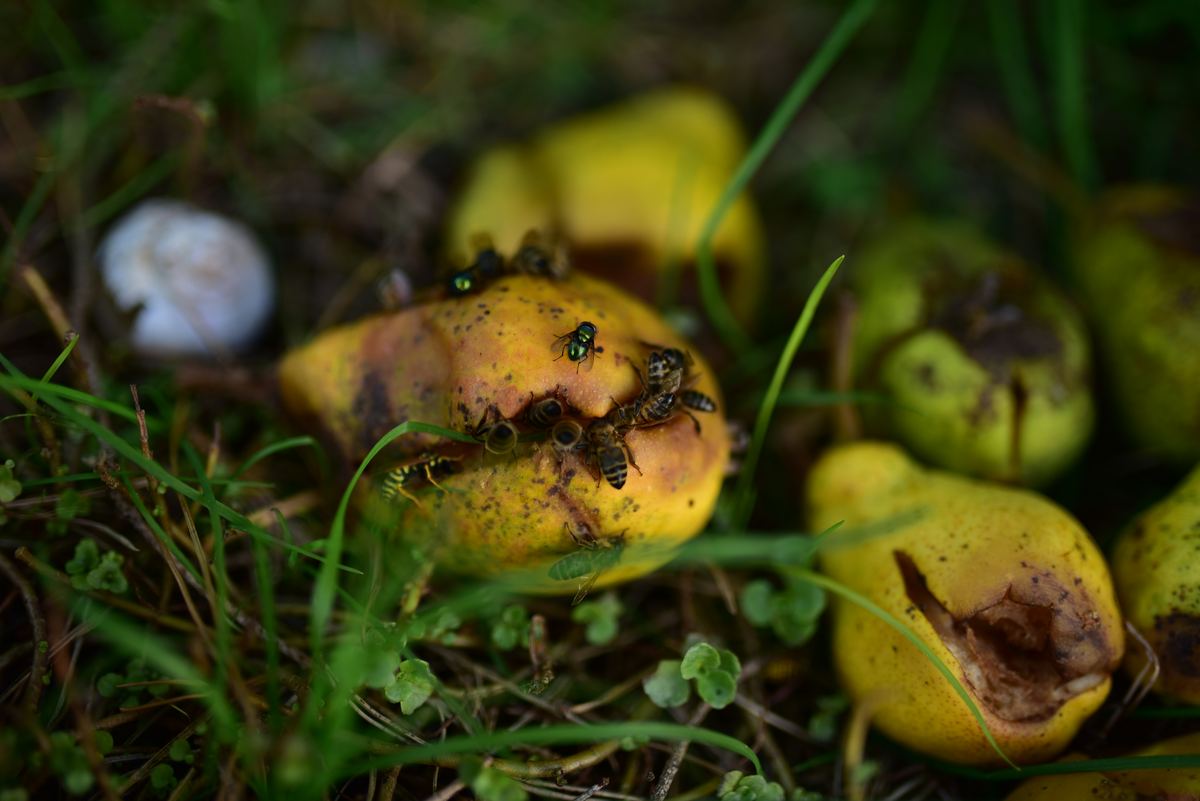
Tiny flies that swarm around ripening fruit, kitchen waste and drains. Pakistan's abundant fruit seasons (mango, guava, banana) and warm climate make fruit flies a near-constant kitchen presence, especially in markets and homes.
Size
2–4 mm
Tiny, often mistaken for gnats
Lifespan
8–15 days
Extremely rapid life cycle
Egg-to-Adult
7–10 days
One of the fastest insect life cycles
Eggs per Female
~500
Laid on fermenting fruit/organic matter
Diet
Fermenting fruit, yeast
Attracted to overripe/rotting produce
Eye Colour
Bright red (Drosophila)
Distinctive identification feature
Breeding Sites
Drains, waste bins, fruit bowls
Any moist organic residue
Pakistan Relevance
Mango/guava/banana season
April–September peak fruit availability
Fruit fly Drosophila — kitchen pest Pakistan
Fruit fly damaging mango — Pakistan fruit season
Pakistan Seasonal Activity
Jan
Feb
Mar
Apr
May
Jun
Jul
Aug
Sep
Oct
Nov
Dec

Relative activity index based on Pest Orbit IPMS field monitoring data — Karachi, Lahore, Islamabad (2019–2024).

Pakistan City Risk Profile
Karachi
High

Major fruit and vegetable markets (Sabzi Mandi) combined with year-round warm temperatures sustain consistently high fruit fly populations, particularly during mango and banana season.

Lahore
High

Significant fruit market activity and hot summers create strong seasonal fruit fly pressure, particularly affecting juice shops, fruit vendors and food establishments during April–September.

Islamabad
Medium

Smaller-scale fruit retail and slightly cooler climate moderate overall pressure compared to Karachi/Lahore, though kitchens and cafes still experience seasonal increases.

Risk Assessment

Health, Property & Economic Risks

Understanding the full risk profile of fruit flies helps property owners and facility managers make informed decisions about treatment priority and programme scope.

🍇
Food Spoilage Acceleration
Fruit flies lay eggs in ripening and overripe fruit, accelerating spoilage and rendering produce unsellable in commercial settings. For households and fruit vendors, this represents direct financial loss during peak fruit seasons.
🧫
Minor Contamination Concern
While fruit flies are not significant disease vectors compared to house flies, they can carry yeasts and bacteria from breeding sites (drains, waste) to food preparation surfaces — a hygiene concern for food service establishments.
🏪
Commercial Reputation Impact
Visible fruit fly swarms in restaurants, juice shops and fruit markets create a perception of poor hygiene for customers, even when actual food safety risk is low — making control important for commercial reputation.
Rapid Population Growth
With an 8–10 day life cycle, fruit fly populations can explode from a handful of flies to dozens within 1–2 weeks if breeding sites (overripe fruit, drain residue) are not addressed — making early intervention important.
Pest Orbit IPM Methodology

How Pest Orbit Eliminates Fruit Flies

Our ISO-certified Integrated Pest Management process is designed to eliminate fruit flies permanently — not mask them temporarily. Every step is documented on your IPMS digital portal.

1
Source ID
Breeding Site Identification
Inspection identifies all potential breeding sites — fruit bowls, drains, waste bins, recycling areas, and any location with fermenting organic residue. Even small amounts of spilled juice in drains can sustain breeding populations.
Drain InspectionSource Mapping
2
Sanitation
Source Elimination & Drain Treatment
Removal of overripe/damaged fruit, thorough cleaning of drains and waste areas with enzymatic cleaners that break down organic residue fruit flies breed in. This single step resolves the majority of fruit fly issues.
Drain TreatmentEnzymatic CleanersSource Removal
3
Monitoring
Trap Placement
Sticky traps and apple cider vinegar-based attractant traps placed near suspected breeding/feeding areas monitor population levels and provide supplementary control while source elimination takes effect.
Sticky TrapsAttractant Traps
4
Residual
Targeted Residual Treatment (Commercial)
For commercial kitchens and fruit markets with persistent issues, targeted residual treatment of resting surfaces near breeding areas, combined with IGR application to drains, provides longer-term suppression.
Residual SprayIGR Drain Treatment
Interesting Facts

Fascinating Fruit Flies Facts

Verified by Pest Orbit's Ph.D. entomology team — the science behind one of Pakistan's most common pests.

🧬
Drosophila melanogaster (the common fruit fly) is one of the most studied organisms in genetics — its rapid life cycle (8-10 days) and simple genome made it foundational to modern biology research, including multiple Nobel Prize-winning discoveries.
👁️
Fruit flies' distinctive bright red eyes are visible even to the naked eye if you look closely — a quick way to distinguish them from other small flying insects like fungus gnats (which have dark eyes).
🥭
Pakistan's mango season (May–August) coincides almost exactly with peak fruit fly activity — the combination of abundant ripening fruit and ideal temperatures creates the country's highest annual fruit fly populations.
🍷
Fruit flies are attracted to the smell of fermentation (yeast byproducts) rather than fresh fruit itself — which is why a simple apple cider vinegar trap with a drop of dish soap is remarkably effective at capturing them.
Frequently Asked Questions

Fruit Flies Questions — Pakistan

Answers from Pest Orbit's Ph.D. entomologists covering the most common questions from Pakistani homeowners and facility managers.

Check your drains — kitchen and bathroom drains accumulate organic residue (soap scum, food particles, hair) that ferments and provides an ideal fruit fly breeding ground, even without visible fruit. Also check recycling bins, mop buckets and any standing water with organic content.

Remove all overripe fruit, clean drains thoroughly with an enzymatic cleaner, and set out a simple trap: a small bowl of apple cider vinegar with a drop of dish soap, covered with plastic wrap with small holes poked in it. This typically resolves infestations within days when combined with source removal.

Fruit flies pose minimal direct health risk compared to house flies — they primarily carry yeasts from fermenting matter rather than disease pathogens from waste/faeces. However, their presence indicates organic residue that should be addressed for general hygiene.

Mango season (May–August) brings large volumes of ripening and overripe fruit into homes and markets simultaneously with Pakistan's hottest temperatures — both factors that dramatically accelerate fruit fly breeding cycles, which can complete in as little as 7-8 days.

Pakistan's ISO-Certified Fruit Flies Specialists

Ph.D. entomologists · internationally approved chemicals · 360° warranty · Digital IPMS monitoring · Karachi · Lahore · Islamabad