کیڑا (پتنگا) Pantry & Clothes Moths
Plodia interpunctella · Tineola bisselliellaSilent Destroyers of Pantries, Wardrobes and Woollens
Pantry & Clothes Moths Activity Dashboard
Karachi · Lahore · ISB
Based on field data
Peak pest breeding range
Pest Orbit classification
Pantry & Clothes Moths — Identification & Biology
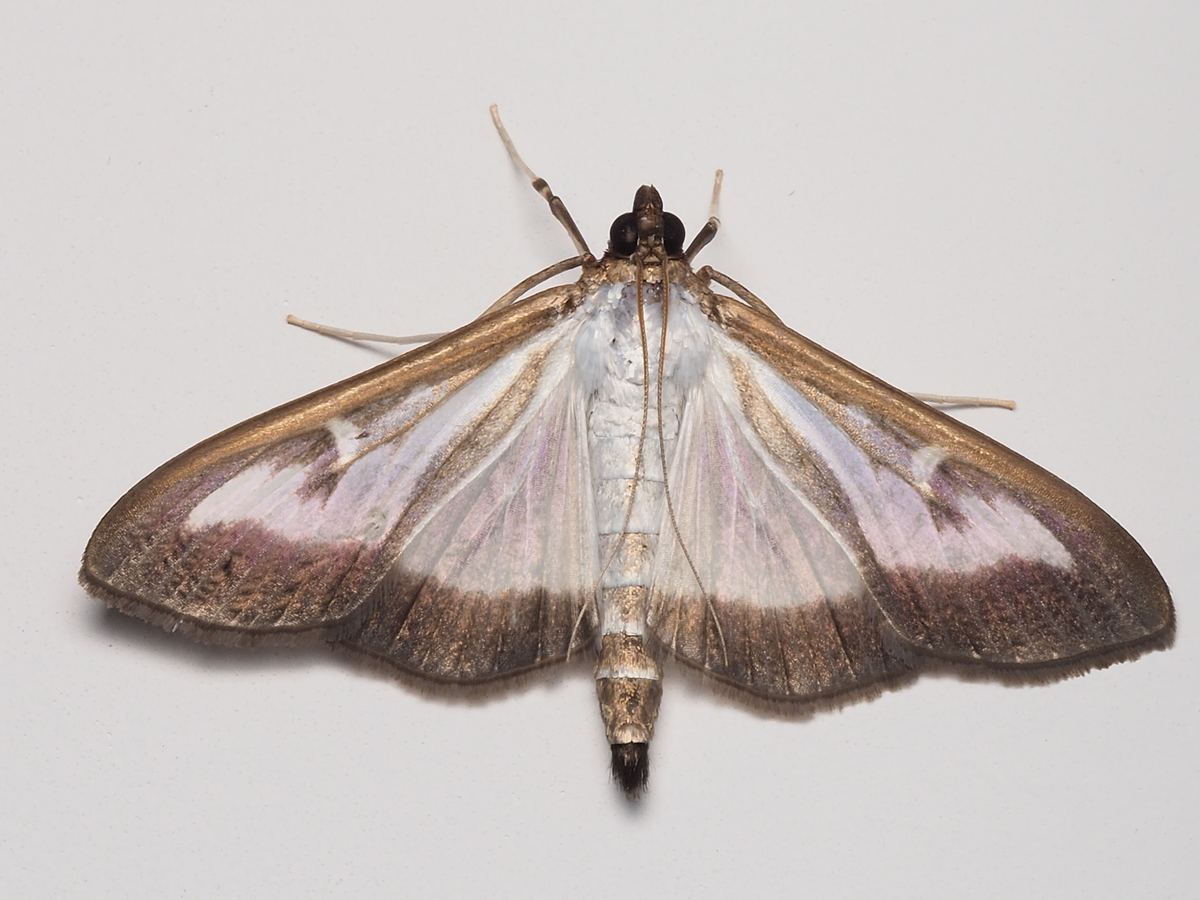
Indian meal moths infest stored grains, dried fruit, nuts and spices, while clothes moths (and their larvae) damage wool, silk and natural fibre garments — both common in Pakistani homes, particularly during humid storage conditions.
Relative activity index based on Pest Orbit IPMS field monitoring data — Karachi, Lahore, Islamabad (2019–2024).
Year-round warmth accelerates moth life cycles. Humidity affects stored grain quality, indirectly increasing pantry moth susceptibility in homes with bulk food storage.
Seasonal woollen storage (during hot summers when shawls/sweaters are packed away) creates clothes moth risk windows. Grain markets and home storage both contribute to pantry moth presence.
Cooler winters mean heavier woollen wardrobes, increasing clothes moth relevance for households with significant seasonal clothing storage.
Health, Property & Economic Risks
Understanding the full risk profile of pantry & clothes moths helps property owners and facility managers make informed decisions about treatment priority and programme scope.
How Pest Orbit Eliminates Pantry & Clothes Moths
Our ISO-certified Integrated Pest Management process is designed to eliminate pantry & clothes moths permanently — not mask them temporarily. Every step is documented on your IPMS digital portal.
Fascinating Pantry & Clothes Moths Facts
Verified by Pest Orbit's Ph.D. entomology team — the science behind one of Pakistan's most common pests.
Pantry & Clothes Moths Questions — Pakistan
Answers from Pest Orbit's Ph.D. entomologists covering the most common questions from Pakistani homeowners and facility managers.
Pantry (Indian meal) moths are found around stored food — grains, flour, dried fruit, nuts, spices — with visible webbing in the product. Clothes moths are found in wardrobes, carpets and storage areas, with irregular holes in wool/silk items and silk webbing on fabric. The adult moths also look slightly different — Indian meal moths have a distinctive two-toned wing pattern.
Clean items thoroughly before storage (moths are attracted to food/sweat residue, not just the fibre), store in airtight containers or sealed bags, use cedar wood or lavender as a deterrent (not a guaranteed kill method), and inspect stored items periodically — especially before the start of winter season.
Removing infested items is the essential first step, but check ALL stored dry goods — moths can spread between products, and larvae can travel short distances to find new food sources. A pheromone trap helps confirm whether the population has been fully addressed after cleanup.
Naphthalene mothballs have some repellent/fumigant effect in sealed containers but raise health concerns with prolonged exposure, particularly for children and pregnant women, and their odour persists on treated items. Pest Orbit recommends safer integrated approaches — proper cleaning, sealed storage and targeted professional treatment where needed.
Pakistan's ISO-Certified Pantry & Clothes Moths Specialists
Ph.D. entomologists · internationally approved chemicals · 360° warranty · Digital IPMS monitoring · Karachi · Lahore · Islamabad