Pest Orbit Field Intelligence · Pakistan

House Lizards Activity Dashboard

☀️ Pre-Monsoon · Pakistan
🏙️
3
Cities Monitored
Karachi · Lahore · ISB
LIVE
📊
Current Season Activity
Based on field data
HIGH
🌡️
—°C
Pakistan Temperature
Peak pest breeding range
⚠️
Nuisance
Overall Risk Rating
Pest Orbit classification
LOW
Monthly Activity Index — House Lizards in Pakistan (Pest Orbit Field Data 2019–2024)
Jan
Feb
Mar
Apr
May
Jun
Jul
Aug
Sep
Oct
Nov
Dec
Critical (90–100%)
High (70–89%)
Moderate (45–69%)
Low (20–44%)
Minimal (<20%)
Species Biology

House Lizards — Identification & Biology

House geckos contaminate food with Salmonella-carrying droppings, trigger allergic reactions and are a near-universal nuisance in Pakistani homes — active year-round in Karachi.
Species
Hemidactylus flaviviridis
Yellow-bellied house gecko
Size
10–15cm
Body length excluding tail
Lifespan
5–7 years
In favourable conditions
Eggs
1–2 per clutch
Every 4–6 weeks, year-round in KHI
Activity
Nocturnal
Attracted to lights (insect hunting)
Adhesion
Van der Waals setae
Millions of hair-like foot structures
Vocalisation
Chirping clicks
Territory and mating signals
Diet
Insects primarily
Mosquitoes, moths, cockroaches
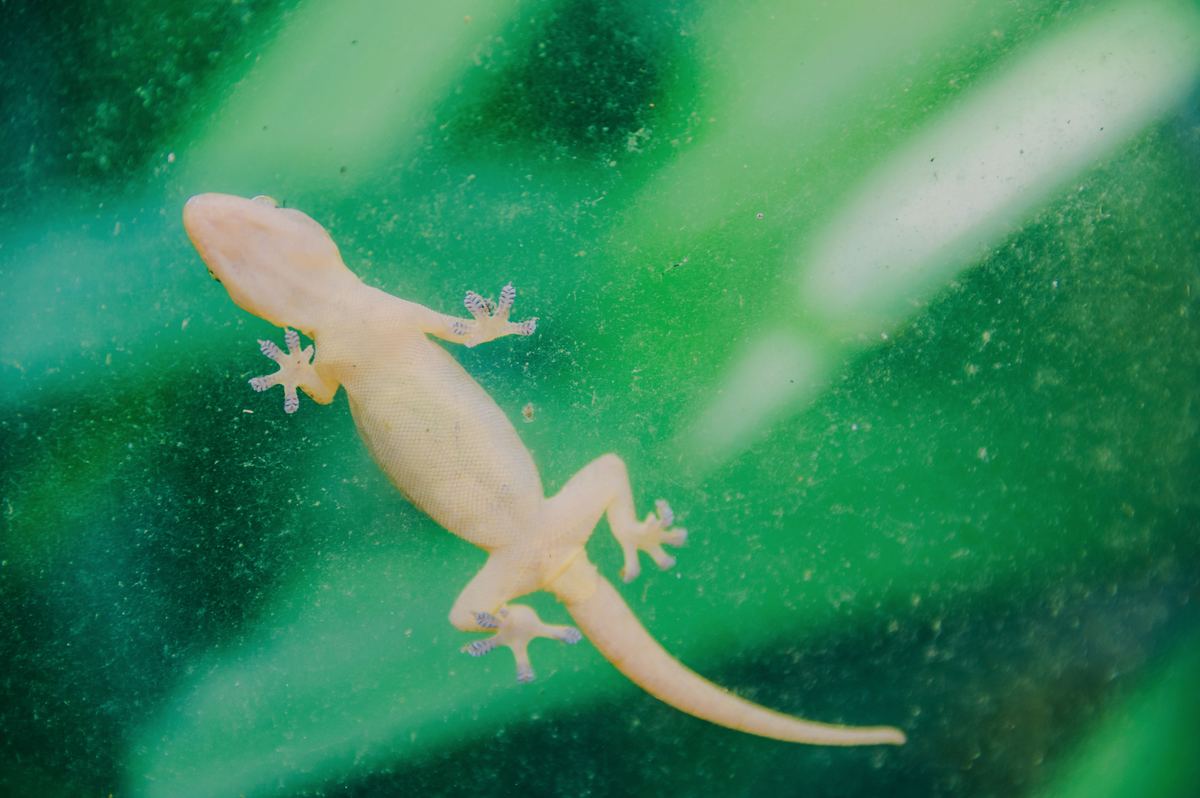
House gecko Hemidactylus flaviviridis — Pakistan
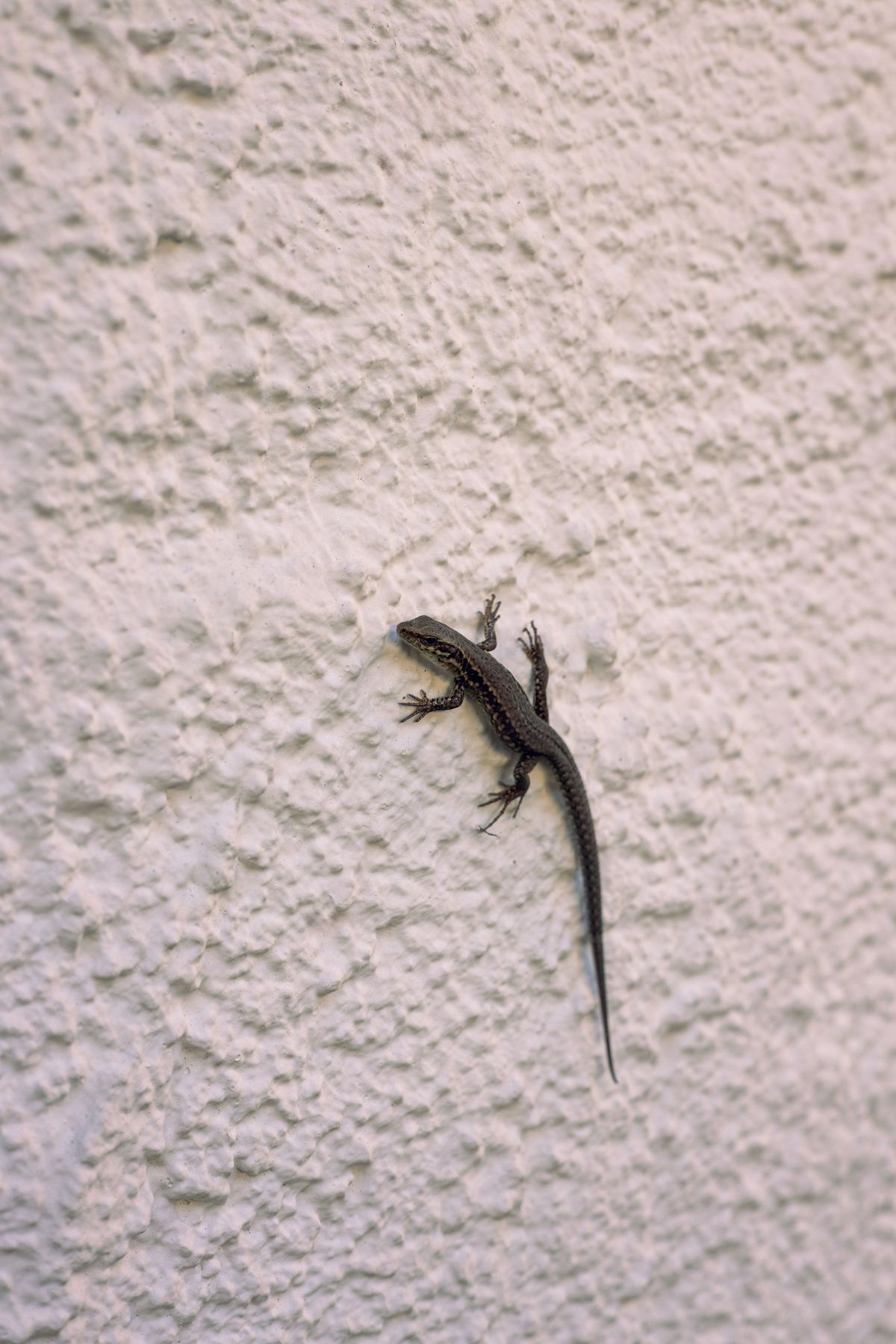
Wall lizard — household reptile pest Pakistan
Pakistan Seasonal Activity
Jan
Feb
Mar
Apr
May
Jun
Jul
Aug
Sep
Oct
Nov
Dec

Relative activity index based on Pest Orbit IPMS field monitoring data — Karachi, Lahore, Islamabad (2019–2024).

Pakistan City Risk Profile
Karachi
Very High

Year-round warmth means permanent large gecko populations. Outdoor lighting of villas and commercial buildings creates insect concentration that sustains high densities throughout the year.

Lahore
High

Warm summers support large populations. Significant winter reduction but not elimination. Common in older construction with poor sealing and heavy garden lighting.

Islamabad
Medium

Cooler winters significantly reduce activity. Modern construction in Islamabad typically has better sealing, reducing entry opportunities significantly.

Risk Assessment

Health, Property & Economic Risks

Understanding the full risk profile of house lizards helps property owners and facility managers make informed decisions about treatment priority and programme scope.

💩
Salmonella in Droppings
House gecko droppings carry Salmonella enterica. Droppings on food preparation surfaces, open food items and utensils are a genuine food safety risk. Children and immunocompromised individuals are most vulnerable to infection.
😤
Allergen & Respiratory Risk
Gecko skin proteins and droppings are documented allergens causing respiratory reactions in sensitised individuals. In homes with heavy gecko populations, allergen concentrations can reach levels that trigger asthma and rhinitis episodes.
🦟
Beneficial Insect Control
Geckos consume mosquitoes, cockroaches, flies and other insects. A single gecko can consume 15–20 insects per night. This ecological benefit explains their tolerance in many Pakistani households despite being classified as a pest.
🏠
Property Staining & Social Impact
Gecko droppings cause permanent staining on walls, ceilings and furniture. In formal dining and reception areas, the presence of lizards creates significant social discomfort for hosts and significant hygiene concerns for food.
Pest Orbit IPM Methodology

How Pest Orbit Eliminates House Lizards

Our ISO-certified Integrated Pest Management process is designed to eliminate house lizards permanently — not mask them temporarily. Every step is documented on your IPMS digital portal.

1
Reduce Food Supply
Target the Insects That Attract Geckos
Geckos follow insects. Addressing underlying insect infestations removes the food supply. Install yellow LED or sodium lights — significantly less attractive to insects than fluorescent/CFL bulbs, reducing the gecko food concentration.
Insect ReductionLED LightingFly Screens
2
Exclusion
Entry Point Sealing
Geckos enter through gaps around pipes, AC ducts, window frames and under doors. Sealing these entry points prevents reinfestation. AC duct opening netting is particularly effective.
Gap SealingAC Duct NetsDoor Seals
3
Treatment
Reptile-Specific Programme
Pest Orbit uses sticky traps, exclusion panels and targeted contact repellents in harborage areas. Treatment is precise — no broad-spectrum chemical sprays near food areas. Gecko density reduction followed by exclusion provides lasting results.
Sticky TrapsContact RepellentsHarborage Treatment
Interesting Facts

Fascinating House Lizards Facts

Verified by Pest Orbit's Ph.D. entomology team — the science behind one of Pakistan's most common pests.

👣
Geckos walk on ceilings using millions of microscopic setae (hair-like structures) that create Van der Waals adhesion — inspiring NASA and robotics researchers worldwide.
🦟
A single house gecko consumes 15–20 insects per night, including mosquitoes and cockroach nymphs — providing genuine pest control value that Pest Orbit factors into treatment recommendations.
🔊
Geckos are the only lizards with true vocalisations — chirping and clicking to communicate territory and mating. Multiple geckos in a room create surprising noise levels at night.
📍
Karachi's year-round warmth means house geckos remain active all 12 months — unlike Islamabad where winter temperatures significantly reduce activity. DHA villas with extensive garden lighting attract the highest gecko densities.
Frequently Asked Questions

House Lizards Questions — Pakistan

Answers from Pest Orbit's Ph.D. entomologists covering the most common questions from Pakistani homeowners and facility managers.

House geckos are not aggressive and do not bite unless handled. The main health risk is Salmonella in their droppings, which can contaminate food preparation surfaces and food. They also carry allergens that affect sensitive individuals. They are not venomous and pose no direct physical threat.

Permanent lizard control requires two steps: eliminate the insect food supply (using Pest Orbit's insect control programme) and seal all entry points (gaps around pipes, AC ducts, window and door frames). Geckos will not inhabit a location without accessible food and entry. Pest Orbit's combined programme addresses both.

Summer heat increases insect activity, particularly around lights at night. More insects mean more food for geckos, supporting larger populations. Warmer temperatures also accelerate gecko egg development and hatching, increasing overall population density.

Most commercially available lizard repellents (naphthalene balls, phenyl, coffee grounds) have very limited scientific evidence for effectiveness. Geckos habituate quickly to most repellent stimuli. The only reliably effective methods are food source reduction (insect control) and structural exclusion (entry point sealing).

Pakistan's ISO-Certified House Lizards Specialists

Ph.D. entomologists · internationally approved chemicals · 360° warranty · Digital IPMS monitoring · Karachi · Lahore · Islamabad