Pest Orbit Field Intelligence · Pakistan

House Centipedes Activity Dashboard

☀️ Pre-Monsoon · Pakistan
🏙️
3
Cities Monitored
Karachi · Lahore · ISB
LIVE
📊
Current Season Activity
Based on field data
HIGH
🌡️
—°C
Pakistan Temperature
Peak pest breeding range
⚠️
Low
Overall Risk Rating
Pest Orbit classification
LOW
Monthly Activity Index — House Centipedes in Pakistan (Pest Orbit Field Data 2019–2024)
Jan
Feb
Mar
Apr
May
Jun
Jul
Aug
Sep
Oct
Nov
Dec
Critical (90–100%)
High (70–89%)
Moderate (45–69%)
Low (20–44%)
Minimal (<20%)
Species Biology

House Centipedes — Identification & Biology

House centipedes (Scutigera coleoptrata) are fast-moving, many-legged arthropods that actually hunt and eat cockroaches, silverfish and other pests. Common in bathrooms and basements across humid Pakistani cities, they're more beneficial than harmful.

Size
2.5–5 cm body
Plus long legs, appears larger
Leg Count
15 pairs (30 legs)
Despite the name, never exactly 100
Speed
Up to 0.4 m/s
One of the fastest household arthropods
Lifespan
3–7 years
Unusually long-lived for small arthropods
Diet
Cockroaches, silverfish, spiders
Active predator of other household pests
Habitat
Damp areas
Bathrooms, basements, drains
Venom
Mild, rarely bites humans
Forcipules used on prey, not defensively against humans
Activity
Nocturnal
Extremely fast when disturbed
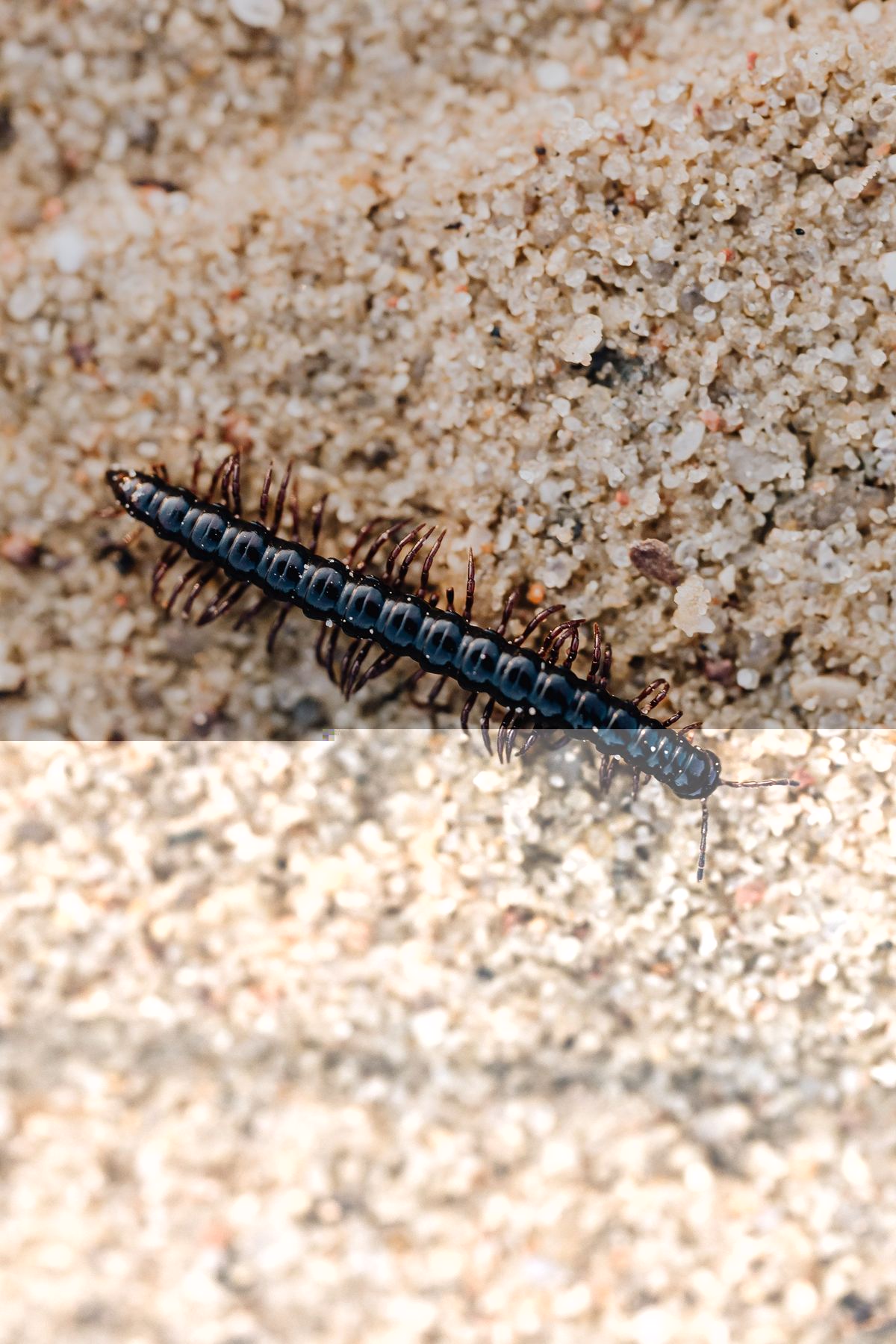
House centipede Scutigera — bathroom pest Pakistan
Pakistan Seasonal Activity
Jan
Feb
Mar
Apr
May
Jun
Jul
Aug
Sep
Oct
Nov
Dec

Relative activity index based on Pest Orbit IPMS field monitoring data — Karachi, Lahore, Islamabad (2019–2024).

Pakistan City Risk Profile
Karachi
High

High year-round humidity provides ideal conditions. Common in bathrooms and ground-floor units across the city, particularly in older buildings with less effective ventilation.

Lahore
Medium

Monsoon season humidity creates seasonal increases in sightings, particularly in basements and ground-floor bathrooms during July–September.

Islamabad
Low

Generally lower humidity reduces overall presence compared to Karachi, though damp basement areas in some properties still provide suitable habitat.

Risk Assessment

Health, Property & Economic Risks

Understanding the full risk profile of house centipedes helps property owners and facility managers make informed decisions about treatment priority and programme scope.

😱
Primarily a Startle Reaction
House centipedes are harmless to humans in the vast majority of encounters — their long legs and extremely fast erratic movement when disturbed causes alarm, but they are not aggressive and bites to humans are extremely rare and typically mild if they occur at all.
🦗
Beneficial Predator
House centipedes actively hunt and consume cockroaches, silverfish, spiders, ants and other household pests. Their presence often indicates — and helps control — populations of other, more problematic pests in the home.
💧
Humidity Indicator
House centipedes require high humidity to survive and thrive in damp areas — bathrooms, basements, under sinks. Their presence can indicate excess moisture that may also be conducive to mould, silverfish or other moisture-related issues.
🐍
Mild Bite Potential (Rare)
In rare cases of direct handling, house centipedes can deliver a mild bite using their forcipules (modified front legs), which may cause localised pain and swelling similar to a bee sting in sensitive individuals — but this is uncommon as they avoid human contact.
Pest Orbit IPM Methodology

How Pest Orbit Eliminates House Centipedes

Our ISO-certified Integrated Pest Management process is designed to eliminate house centipedes permanently — not mask them temporarily. Every step is documented on your IPMS digital portal.

1
Assessment
Humidity & Prey Source Survey
Since house centipedes are attracted by both humidity and prey availability, assessment focuses on identifying damp areas (bathrooms, basements, under-sink areas) and any underlying pest populations (silverfish, small insects) that may be sustaining centipede presence.
Humidity CheckPrey Survey
2
Environmental
Moisture Reduction
Recommendations for improving ventilation and reducing moisture in bathrooms, basements and crawl spaces — addressing the root environmental condition that supports centipede populations, along with other moisture-loving pests.
VentilationDehumidification
3
Exclusion
Entry Point Sealing
Sealing gaps around pipes, baseboards, and foundation cracks reduces entry points. House centipedes often enter from outdoor areas (mulch, leaf litter near foundations) seeking the humid indoor conditions of bathrooms and basements.
Gap SealingFoundation Sealing
4
Treatment (If Needed)
Targeted Treatment Where Population Is High
Where centipede numbers are unusually high (often indicating a significant prey population), targeted residual treatment addresses both the centipedes and their underlying prey source — restoring balance rather than simply removing a beneficial predator.
Targeted ResidualRoot-Cause Treatment
Interesting Facts

Fascinating House Centipedes Facts

Verified by Pest Orbit's Ph.D. entomology team — the science behind one of Pakistan's most common pests.

🏃
House centipedes can run at speeds up to 0.4 metres per second — among the fastest land arthropods relative to size, using their long legs in a complex coordinated gait that has fascinated robotics researchers studying multi-legged locomotion.
🔢
Despite their name suggesting '100 legs', house centipedes (Scutigera coleoptrata) actually have exactly 15 pairs of legs (30 total) — the name 'centipede' is a general term for the class, not a literal leg count for every species.
👁️
House centipedes have compound eyes — unusual among centipedes, most of which have simple eyes or no eyes at all. This gives them better vision for hunting fast-moving prey like silverfish and small flies.
♻️
A single house centipede can consume dozens of small insects per week, making it a natural form of pest control. Many pest professionals recommend tolerance for occasional sightings rather than treatment, given their beneficial role.
Frequently Asked Questions

House Centipedes Questions — Pakistan

Answers from Pest Orbit's Ph.D. entomologists covering the most common questions from Pakistani homeowners and facility managers.

No, house centipedes are not considered dangerous. They rarely bite humans, and when they do (only with direct handling), the effect is typically mild — comparable to a minor insect sting. They do not transmit disease and are not venomous in any medically significant way for humans or typical household pets.

Many pest professionals suggest tolerance, since house centipedes actively prey on cockroaches, silverfish, ants and other household pests — effectively functioning as a natural pest control agent. If their numbers are unusually high, this often signals an underlying prey population worth addressing rather than the centipedes themselves.

Bathrooms provide the high humidity (and often the prey — silverfish, small flies) that house centipedes require. Improving bathroom ventilation, fixing any leaks, and reducing standing moisture will make the area less attractive to centipedes over time.

They typically enter from outdoor areas with moisture and organic debris (mulch, leaf litter, woodpiles near foundations) through small gaps around pipes, foundation cracks, and door/window gaps — seeking the stable humidity of indoor spaces, particularly during dry spells outdoors.

Pakistan's ISO-Certified House Centipedes Specialists

Ph.D. entomologists · internationally approved chemicals · 360° warranty · Digital IPMS monitoring · Karachi · Lahore · Islamabad