Pest Orbit Field Intelligence · Pakistan

Mites Activity Dashboard

☀️ Pre-Monsoon · Pakistan
🏙️
3
Cities Monitored
Karachi · Lahore · ISB
LIVE
📊
Current Season Activity
Based on field data
HIGH
🌡️
—°C
Pakistan Temperature
Peak pest breeding range
⚠️
Allergen
Overall Risk Rating
Pest Orbit classification
MEDIUM
Monthly Activity Index — Mites in Pakistan (Pest Orbit Field Data 2019–2024)
Jan
Feb
Mar
Apr
May
Jun
Jul
Aug
Sep
Oct
Nov
Dec
Critical (90–100%)
High (70–89%)
Moderate (45–69%)
Low (20–44%)
Minimal (<20%)
Species Biology

Mites — Identification & Biology

Dust mites thrive in bedding and upholstery, feeding on human skin cells — their droppings are a leading cause of allergic asthma and rhinitis. Bird mites from nesting pigeons (common on Pakistani rooftops) can also invade living spaces.

Size
0.2–0.5 mm
Invisible to naked eye
Lifespan
2–4 months
House dust mite (Dermatophagoides)
Diet
Shed human skin cells
A person sheds enough skin daily to feed thousands
Humidity Requirement
70–80% RH optimal
Below 50% RH causes die-off
Reproductive Rate
~25–50 eggs/female
Population can double in weeks
Allergen Source
Faecal pellets + body fragments
Primary indoor allergen worldwide
Bird Mites
Ornithonyssus sylviarum
From pigeon/sparrow nests on rooftops
Detection
Requires microscopy
Cannot be seen directly
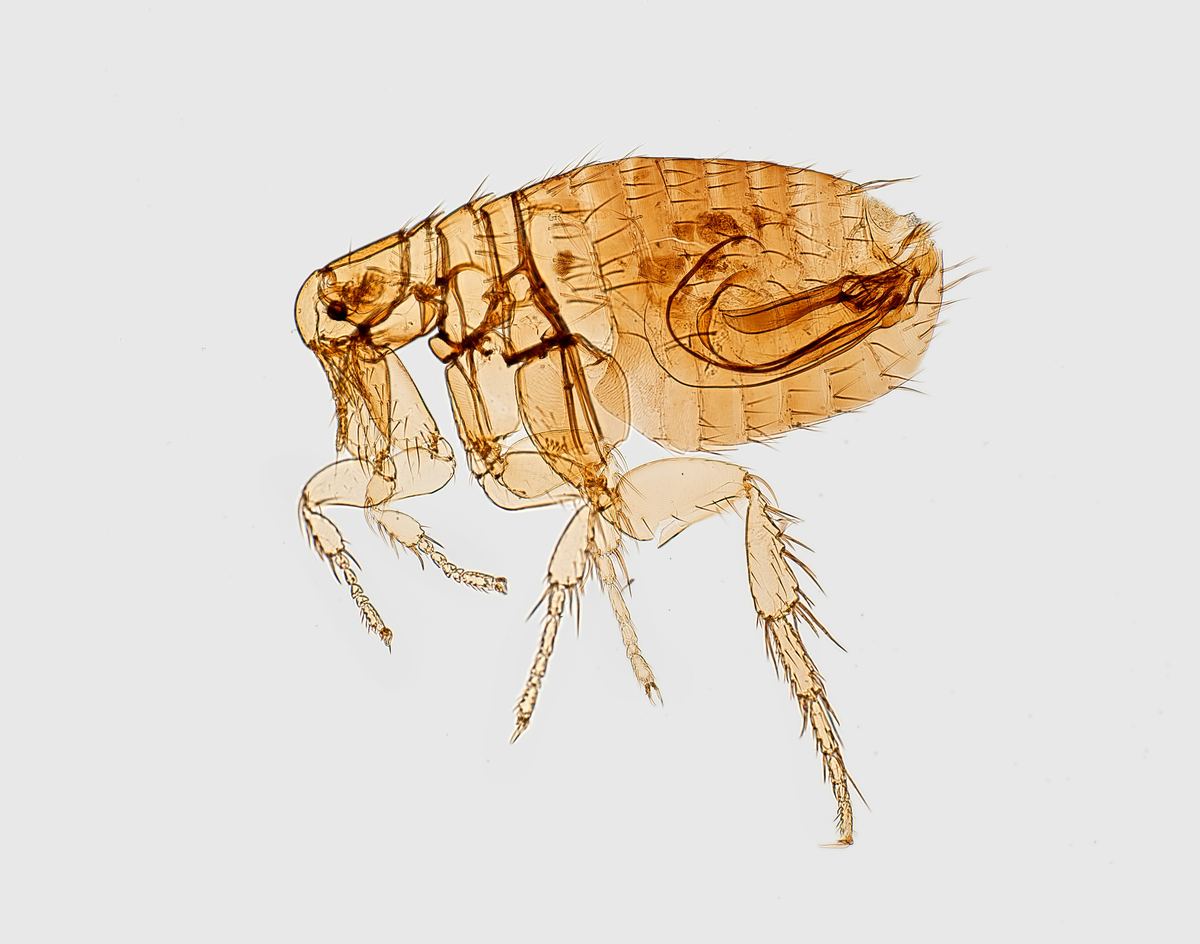
Dust mite Dermatophagoides — allergen Pakistan
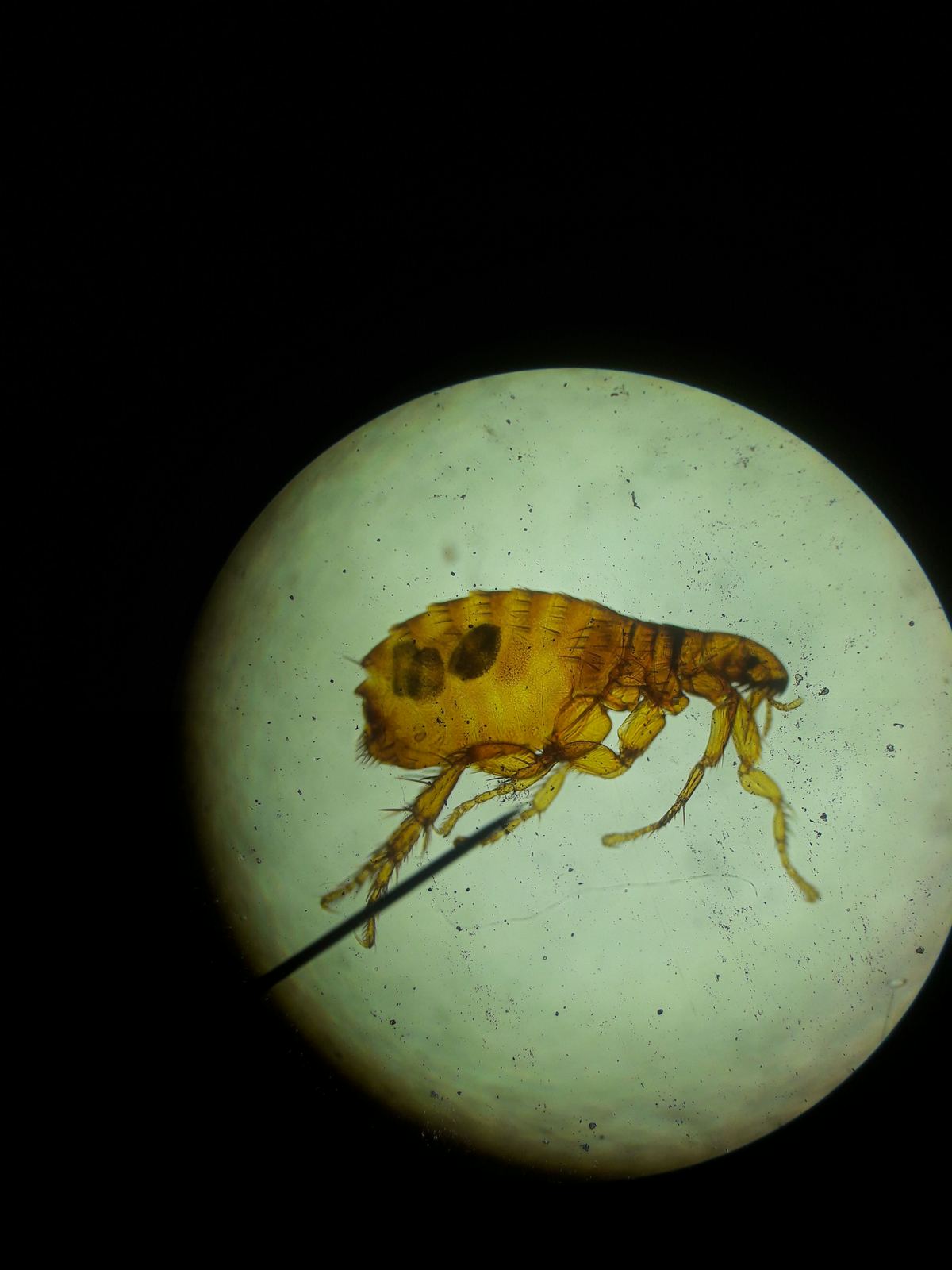
Mite infestation — bird mites Pakistan rooftop
Pakistan Seasonal Activity
Jan
Feb
Mar
Apr
May
Jun
Jul
Aug
Sep
Oct
Nov
Dec

Relative activity index based on Pest Orbit IPMS field monitoring data — Karachi, Lahore, Islamabad (2019–2024).

Pakistan City Risk Profile
Karachi
High

Coastal humidity (70–95% RH) provides near-ideal dust mite conditions year-round. Dense pigeon populations on rooftops across the city create frequent bird mite migration events, especially after monsoon nesting season.

Lahore
High

Monsoon humidity spikes create seasonal increases in dust mite allergen levels, correlating with rises in asthma/allergy clinic visits during July–September. Pigeon populations in older city areas are substantial.

Islamabad
Medium

Lower ambient humidity outside monsoon reduces dust mite pressure somewhat, though well-insulated modern apartments with limited ventilation can still develop elevated humidity microclimates indoors.

Risk Assessment

Health, Property & Economic Risks

Understanding the full risk profile of mites helps property owners and facility managers make informed decisions about treatment priority and programme scope.

🫁
Asthma & Allergic Rhinitis — Leading Indoor Allergen
House dust mite faecal particles and body fragments are recognised by the WHO as one of the most significant indoor allergens globally, triggering asthma, allergic rhinitis and atopic dermatitis. Pakistani urban populations with carpeted floors, heavy curtains and high humidity face elevated exposure.
🐦
Bird Mite Invasions from Rooftop Nests
Pigeon and sparrow nests are extremely common on Pakistani rooftops, balconies and air conditioning units. When chicks leave or nests are abandoned, bird mites (Ornithonyssus sp.) can migrate into living spaces in large numbers, causing intense itching from bites.
🛏
Bedding & Mattress Reservoirs
Mattresses, pillows and bedding accumulate the highest mite concentrations due to constant skin shedding and body warmth/humidity during sleep. A typical used mattress can contain hundreds of thousands to millions of dust mites.
🌧️
Monsoon Humidity Amplification
Karachi and Lahore's monsoon humidity (80–95% RH) is significantly above the optimal range for dust mite proliferation, leading to seasonal increases in allergen levels and corresponding increases in asthma/rhinitis presentations at Pakistani clinics.
Pest Orbit IPM Methodology

How Pest Orbit Eliminates Mites

Our ISO-certified Integrated Pest Management process is designed to eliminate mites permanently — not mask them temporarily. Every step is documented on your IPMS digital portal.

1
Assessment
Allergen Source Identification
Assessment identifies primary mite reservoirs — mattresses, carpets, soft furnishings, curtains — and checks rooftop/balcony areas for active or abandoned bird nests that could be sources of bird mite migration.
Reservoir IDRooftop Nest Check
2
Environmental
Humidity & Ventilation Improvement
Recommendations for reducing indoor humidity below 50% RH where practical (dehumidifiers, ventilation improvements) — the single most effective long-term dust mite control measure, directly targeting their biological requirements.
Humidity ControlVentilation
3
Treatment
Allergen-Reducing Treatment & Bird Mite Elimination
Application of acaricide treatments to carpets and soft furnishings where appropriate. For bird mite invasions, nest removal (where safe and legal) combined with targeted perimeter/entry point treatment prevents re-migration into living spaces.
Acaricide TreatmentNest RemovalEntry Point Treatment
4
Guidance
Ongoing Allergen Reduction Plan
Practical guidance on mattress/pillow encasements, regular high-temperature washing of bedding (60°C+ kills dust mites), and vacuum cleaner specifications (HEPA filtration) to maintain low allergen levels long-term.
Encasement GuidanceWash ProtocolHEPA Vacuuming
Interesting Facts

Fascinating Mites Facts

Verified by Pest Orbit's Ph.D. entomology team — the science behind one of Pakistan's most common pests.

🔬
House dust mites are too small to see without a microscope (0.2–0.5mm), yet a single gram of dust can contain hundreds of mites and thousands of allergen-carrying faecal pellets.
🛏️
Humans shed about 0.5–1g of skin cells daily — enough to feed approximately one million dust mites. A used mattress can house anywhere from 100,000 to 10 million mites.
🐦
Bird mites can survive up to several weeks without a bird host, actively seeking alternative hosts (including humans) when their original nest is abandoned — a common scenario after pigeon chicks fledge from rooftop nests.
💧
Reducing relative humidity below 50% causes dust mite populations to decline significantly within weeks, as they cannot survive prolonged dry conditions — making humidity control the single highest-impact intervention available.
Frequently Asked Questions

Mites Questions — Pakistan

Answers from Pest Orbit's Ph.D. entomologists covering the most common questions from Pakistani homeowners and facility managers.

Dust mite allergy typically presents as year-round (perennial) symptoms — sneezing, runny nose, itchy eyes, and asthma symptoms that worsen when in bed, vacuuming, or handling soft furnishings. A doctor can confirm via skin prick or blood (IgE) testing for dust mite allergens.

This is a classic presentation of bird mite exposure — check rooftops, balconies, air conditioning units and window ledges for active or recently-abandoned pigeon/sparrow nests. Bird mites migrate indoors in large numbers seeking new hosts when their bird host leaves the nest.

Complete elimination is not realistic in normal living conditions, but allergen levels can be reduced dramatically through humidity control (below 50% RH), mattress/pillow encasements, hot washing of bedding (60°C+), HEPA vacuuming, and reducing soft furnishings/carpets in bedrooms.

For most people, dust mites cause allergic symptoms rather than direct harm — they do not bite or transmit disease. Bird mites can bite humans causing itchy, irritating welts, but are not known to transmit disease to humans in typical exposure scenarios.

Pakistan's ISO-Certified Mites Specialists

Ph.D. entomologists · internationally approved chemicals · 360° warranty · Digital IPMS monitoring · Karachi · Lahore · Islamabad