Pest Orbit Field Intelligence · Pakistan

Scorpions Activity Dashboard

☀️ Pre-Monsoon · Pakistan
🏙️
3
Cities Monitored
Karachi · Lahore · ISB
LIVE
📊
Current Season Activity
Based on field data
HIGH
🌡️
—°C
Pakistan Temperature
Peak pest breeding range
⚠️
Venomous
Overall Risk Rating
Pest Orbit classification
HIGH
Monthly Activity Index — Scorpions in Pakistan (Pest Orbit Field Data 2019–2024)
Jan
Feb
Mar
Apr
May
Jun
Jul
Aug
Sep
Oct
Nov
Dec
Critical (90–100%)
High (70–89%)
Moderate (45–69%)
Low (20–44%)
Minimal (<20%)
Species Biology

Scorpions — Identification & Biology

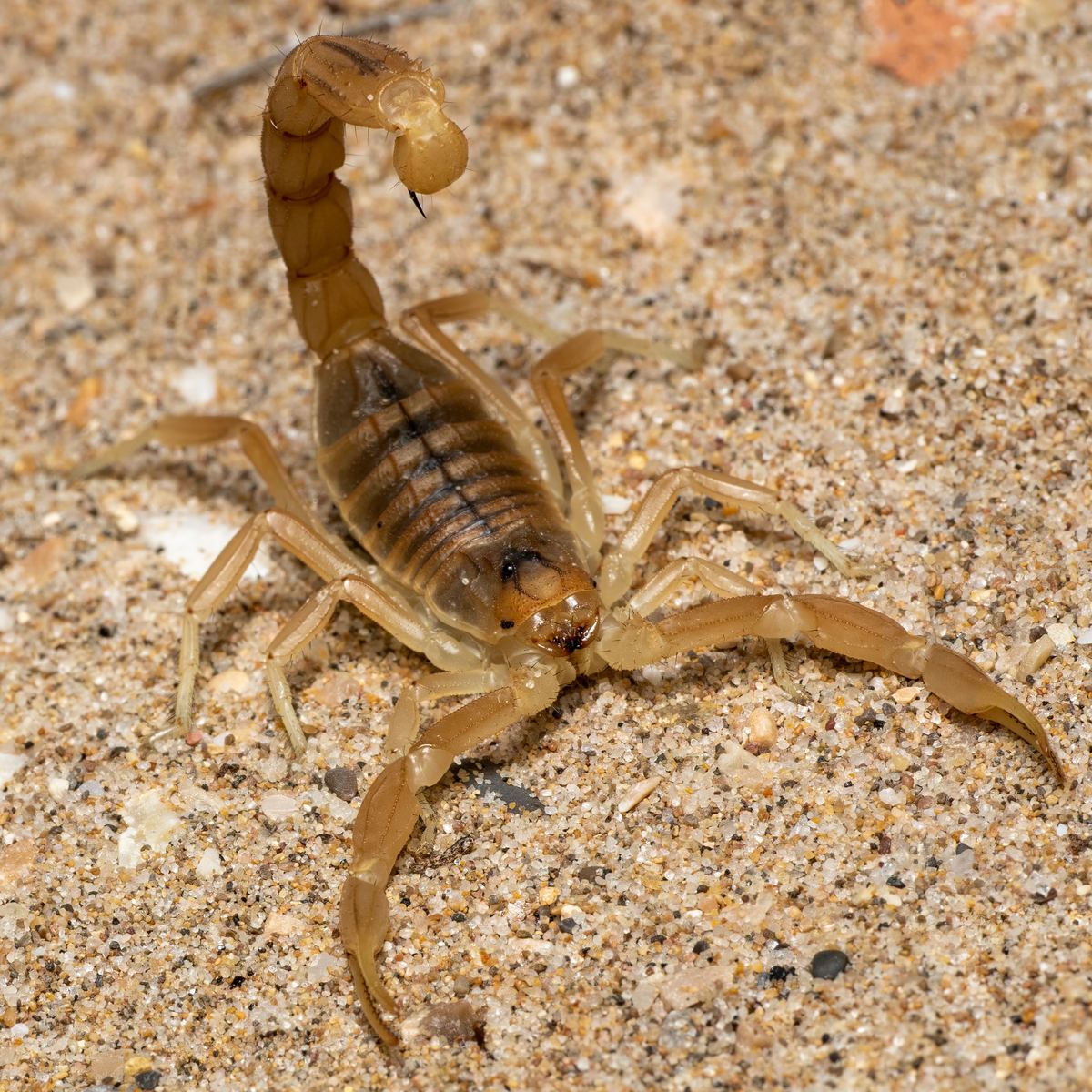
Mesobuthus tamulus (red scorpion) stings are a documented cause of fatal cardiotoxicity in Pakistan, especially in children. Found in homes, gardens, construction sites and rural areas across Sindh, Punjab and Balochistan.
Common Species (PK)
Mesobuthus tamulus
Red/brown scorpion — most medically significant
Size
5–9 cm
Including tail (telson)
Lifespan
2–6 years
Slow-growing, long-lived for arthropods
Activity
Nocturnal
Hides in cracks, shoes, woodpiles by day
Venom Type
Neurotoxic
Affects sodium ion channels
Reproduction
Live birth
20–40 young carried on mother's back
Habitat
Cracks, rubble, firewood
Construction sites, gardens, basements
UV Fluorescence
Glows under UV light
Used for detection surveys
Scorpion Mesobuthus tamulus — venomous Pakistan
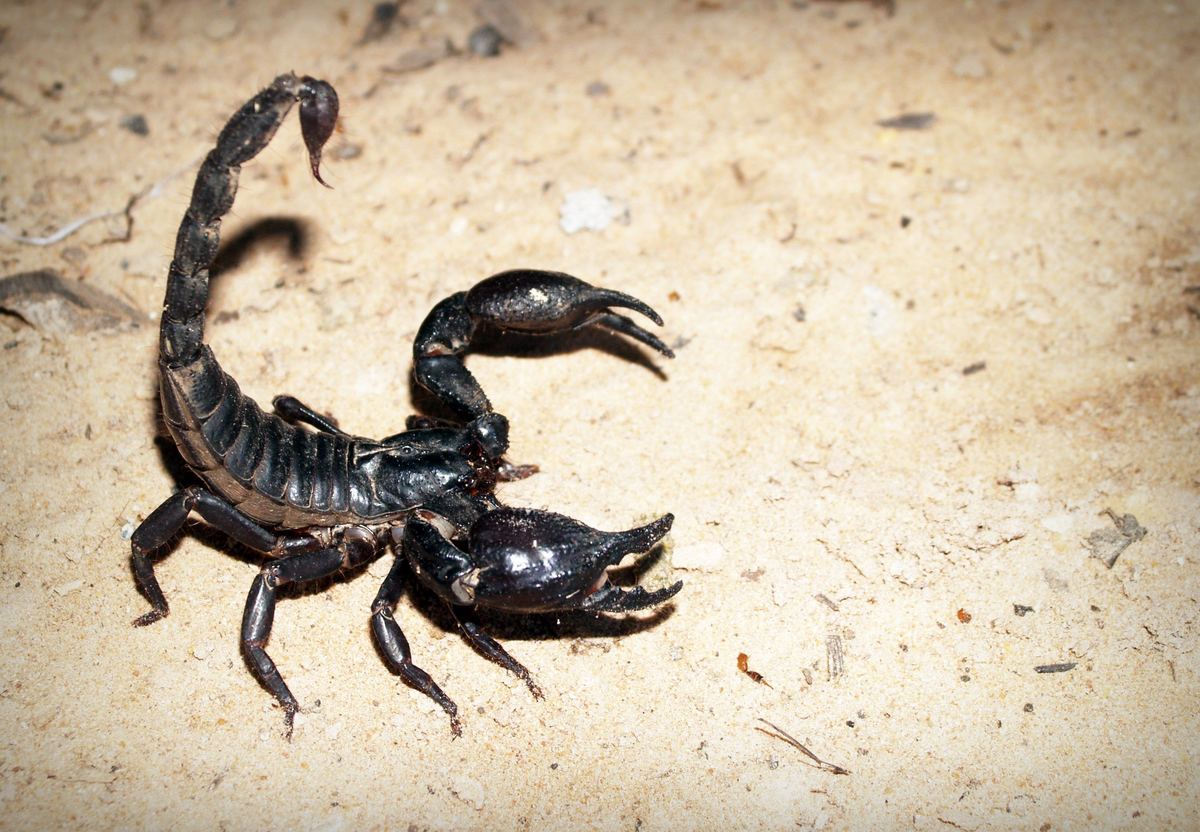
Scorpion close-up — stinging pest Pakistan
Pakistan Seasonal Activity
Jan
Feb
Mar
Apr
May
Jun
Jul
Aug
Sep
Oct
Nov
Dec

Relative activity index based on Pest Orbit IPMS field monitoring data — Karachi, Lahore, Islamabad (2019–2024).

Pakistan City Risk Profile
Karachi
Medium

Found in DHA, Gulshan and peri-urban areas with construction activity and undeveloped plots. Coastal scrubland areas at city margins have higher scorpion density.

Lahore
Medium

Suburban and peri-urban areas with gardens, construction sites and older properties with rubble accumulation report periodic sightings, particularly in summer.

Islamabad
Low

Lower density than Karachi/Lahore due to cooler climate and more managed green spaces, but margueerite zones near Margalla Hills foothills report occasional sightings.

Risk Assessment

Health, Property & Economic Risks

Understanding the full risk profile of scorpions helps property owners and facility managers make informed decisions about treatment priority and programme scope.

☠️
Cardiotoxic Venom — Can Be Fatal in Children
Mesobuthus tamulus venom causes a release of catecholamines leading to cardiotoxicity — pulmonary oedema, myocarditis and cardiac failure. Pakistani case studies document fatalities in children under 10, particularly in rural Sindh and Punjab where antivenom access is delayed.
🚨
Medical Emergency — Antivenom Required
Scorpion stings from medically significant species require hospital evaluation. Symptoms include severe local pain, sweating, vomiting, and in severe cases cardiovascular collapse within hours. Antivenom (scorpion anti-venom serum) is stocked at major Pakistani hospitals but rural access varies.
🏗
Construction & Renovation Risk
Scorpions commonly shelter in undisturbed rubble, stacked building materials, and gaps in unfinished construction. Pakistan's active construction sector creates frequent human-scorpion encounters, particularly for labourers moving materials.
👟
Footwear & Bedding Risk
Scorpions seek dark, enclosed spaces — shoes left outside, bedding, and stacked clothing are classic hiding spots. Shaking out shoes and bedding before use is a standard precaution in scorpion-endemic areas of Pakistan.
Pest Orbit IPM Methodology

How Pest Orbit Eliminates Scorpions

Our ISO-certified Integrated Pest Management process is designed to eliminate scorpions permanently — not mask them temporarily. Every step is documented on your IPMS digital portal.

1
Inspection
UV Survey & Harborage Mapping
Scorpions fluoresce bright blue-green under UV (blacklight) torches, allowing rapid nighttime surveys of gardens, perimeters and structures. Pest Orbit technicians map harborage in woodpiles, rock gardens, rubble and foundation cracks.
UV SurveyHarborage MappingNight Inspection
2
Exclusion
Perimeter Sealing & Habitat Removal
Seal foundation cracks, gaps under doors and utility penetrations with appropriate sealants. Remove or relocate woodpiles, rock piles and debris away from structure perimeter — eliminating primary harborage near the home.
Crack SealingDebris RemovalPerimeter Barrier
3
Treatment
Residual Perimeter Treatment
Application of residual pyrethroid insecticide to the building perimeter, foundation and entry points creates a barrier zone. Granular bait formulations target the insects scorpions prey on, reducing food supply indirectly.
Perimeter SprayGranular Treatmentinternationally approved
4
Education
Household Safety Briefing
Pest Orbit provides practical guidance: shake out shoes and bedding before use, use a torch when walking outdoors at night in endemic areas, and keep emergency contact numbers for nearest hospital with antivenom stock.
Safety BriefingEmergency ContactsPrevention Guide
Interesting Facts

Fascinating Scorpions Facts

Verified by Pest Orbit's Ph.D. entomology team — the science behind one of Pakistan's most common pests.

🔵
Scorpions glow bright blue-green under ultraviolet light due to fluorescent compounds in their exoskeleton — a property pest professionals use for rapid nighttime detection surveys.
👶
Female scorpions give live birth to 20–40 young, which ride on the mother's back for their first weeks of life — one of the most striking examples of parental care among arthropods.
Scorpions are among Earth's oldest terrestrial animals, with a fossil record extending back over 430 million years — older than most insects, reptiles and all dinosaurs.
🩺
Pakistan's National Poisons Control Centre tracks scorpion sting cases. Mesobuthus tamulus envenomation is classified as a medical emergency requiring immediate hospital assessment, particularly for children and the elderly.
Frequently Asked Questions

Scorpions Questions — Pakistan

Answers from Pest Orbit's Ph.D. entomologists covering the most common questions from Pakistani homeowners and facility managers.

Seek immediate medical attention at the nearest hospital — do not wait to see if symptoms develop. Keep the affected limb still and below heart level if possible. Identify the scorpion if safely possible (photograph, do not handle) to assist medical staff. Antivenom is available at major hospitals for medically significant species.

No, but several medically significant species are present, particularly Mesobuthus tamulus (red scorpion), whose venom can cause severe cardiotoxicity especially in children. Without expert identification, all scorpion stings should be treated as a medical emergency requiring evaluation.

Seal foundation cracks and gaps around doors/windows, remove woodpiles and rubble from near the building, keep garden vegetation trimmed away from walls, use door sweeps, and shake out shoes and bedding before use. Professional perimeter treatment provides an additional barrier.

Scorpions are nocturnal and most active March through October, with peak activity during the hot summer months (May–August) when they emerge at night to hunt. They shelter in cool, dark spaces during the day.

Pakistan's ISO-Certified Scorpions Specialists

Ph.D. entomologists · internationally approved chemicals · 360° warranty · Digital IPMS monitoring · Karachi · Lahore · Islamabad